

 By
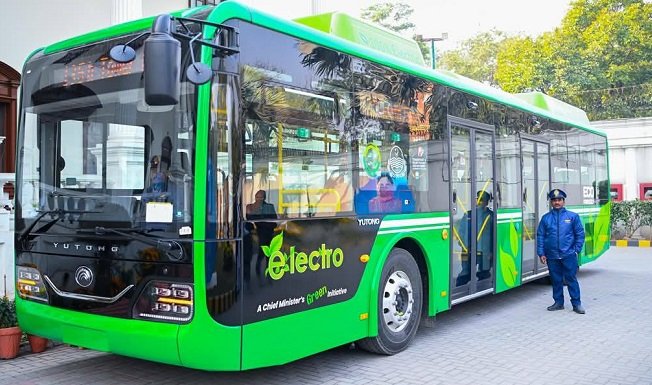
By Chief Traffic Officer (CTO) Dr. Athar Waheed has unveiled a comprehensive proposal aimed at addressing Lahore’s growing traffic, pollution, and accident challenges. The initiative focuses on introducing an electric bus (E-bus) and metro train network that will connect Lahore to surrounding cities, providing commuters with a sustainable and efficient transport alternative.
According to Dr. Waheed, between 800,000 and 1 million vehicles and motorcycles enter Lahore daily, while 400,000 to 500,000 vehicles exit. This massive traffic flow not only strains the city’s infrastructure but also significantly contributes to air pollution, smog, and road accidents, especially near the city’s entry and exit points.
Phased Implementation Plan
The CTO’s proposal envisions a two-phase expansion of Lahore’s intercity transport system:
- Phase 1: Launch of electric bus (E-bus) services between Lahore and the nearby cities of Kasur, Nankana Sahib, and Sheikhupura.
- Phase 2: Integration of these routes with a regional metro or intercity train network to ensure seamless connectivity across Punjab.
Dr. Waheed emphasized that the plan will not only save citizens’ time and reduce travel costs but also lower carbon emissions by minimizing the use of private vehicles. The proposal has been submitted to the Commissioner of Lahore for review and early implementation.
Environmental and Economic Impact
If implemented, the initiative could play a pivotal role in reducing Lahore’s smog levels, which have been a recurring environmental concern during the winter season. By promoting eco-friendly mobility options, the city aims to reduce dependency on fossil fuels, cut down on vehicular emissions, and improve urban air quality.
Additionally, the electric bus network could stimulate economic activity by improving regional accessibility and encouraging sustainable investment in green infrastructure.
A Step Toward Sustainable Urban Mobility
Lahore’s E-bus proposal aligns with Pakistan’s broader goals for sustainable urban development and environmental preservation. Experts believe that if supported with strong policy measures and funding, it could become a model for other major cities grappling with similar traffic and pollution challenges.