

 By
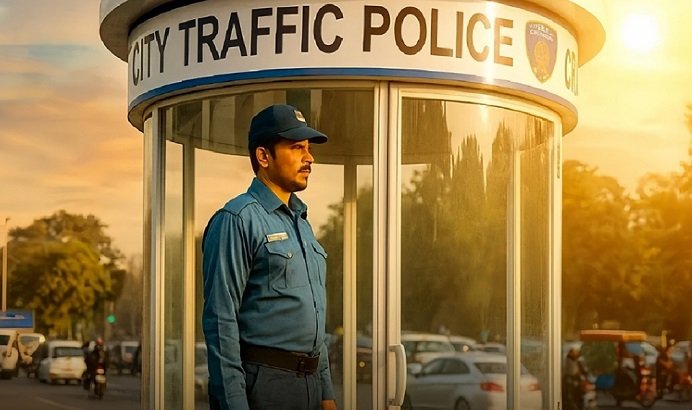
By In a proactive move to combat the effects of extreme summer heat, the Lahore City Traffic Police has introduced air-conditioned cabins for traffic wardens deployed at busy intersections. This initiative comes as the city frequently faces temperatures exceeding 45°C during summer, posing serious health risks to frontline officers who spend long hours outdoors.
Traffic wardens are vulnerable to heat exhaustion, dehydration, fatigue, and even heatstroke, all of which can impair their ability to manage traffic safely and efficiently. Recognizing these dangers, the traffic department has installed specially designed AC booths to offer both relief and operational support.
Features of the New AC Cabins
The new air-conditioned cabins offer a range of features designed to improve the working conditions of wardens:
- Full Air-Conditioning: Keeps the environment cool even on the hottest days.
- Transparent Glass Walls: Provide unobstructed visibility for effective traffic monitoring.
- Comfortable Interiors: Equipped with fans, ergonomic seating, and communication devices.
- Electricity Backup: Ensures continuous cooling during power outages.
- Ventilation and Sun Protection: Promotes air circulation and shields officers from direct sunlight.
These enhancements make the booths more than just a break from the heat — they are functional control hubs that improve operational efficiency.
Health, Efficiency, and Public Safety
Beyond comfort, the cabins aim to protect traffic wardens from the long-term health impacts of extreme heat, including cardiovascular stress and chronic fatigue. By maintaining a safe body temperature, wardens are more alert and better equipped to handle high-pressure traffic duties.
This improvement is expected to enhance traffic flow, reduce accident risks, and boost public confidence in city management. For the wardens, the new facilities represent a significant boost to morale, productivity, and overall job satisfaction.
A Step Toward Smarter, Safer Cities
The introduction of AC cabins marks a broader shift toward modernizing urban infrastructure in response to climate change and rising temperatures. As cities like Lahore grapple with more frequent heatwaves, such forward-thinking policies are essential for ensuring public service delivery remains safe and effective.
This initiative is likely to be met with public appreciation, especially as it highlights the city’s commitment to the well-being of its essential workers and reinforces Lahore’s status as a city taking active steps toward a more resilient future.
The Lahore City Traffic Police’s AC cabin initiative reflects a thoughtful approach to tackling climate-induced challenges. By investing in the health and performance of its traffic wardens, the city is setting an example for other urban centers facing similar conditions. As summer temperatures continue to rise, such innovations are not just timely — they’re essential.