

 By
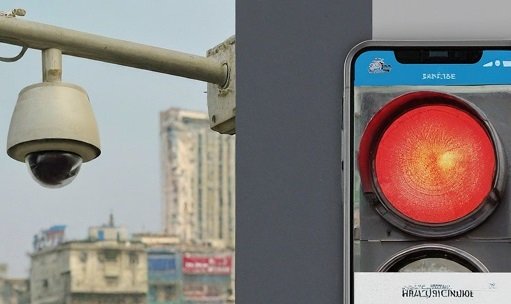
By Karachi Traffic Police is taking a major leap toward automation and smart traffic management by introducing robots to issue electronic challans (e-challans). This new development is part of the city’s expanding E-Tracks system, which aims to modernize traffic enforcement and improve compliance among motorists.
Robots to Patrol Key Roads
Speaking at a public event, Deputy Inspector General (DIG) Traffic Peer Muhammad Shah announced that a third method of issuing e-challans will soon be introduced—this time through autonomous robots. These robots will patrol busy roads such as Saddar and Tariq Road, moving at speeds of around 20 kilometers per hour.
The robots will be equipped with advanced sensors and scanning systems that automatically detect traffic violations. Vehicles parked in “No Parking” zones or breaching lane discipline will be identified instantly, and e-challans will be generated and issued electronically.
Smart Enforcement Through E-Tracks
The E-Tracks system, already operational in Karachi, has brought significant improvements to urban traffic control. According to DIG Shah, within just two weeks of implementing the system, nearly 50,000 motorists have been fined for various violations, highlighting both the system’s efficiency and the scale of non-compliance in the city.
By integrating robotic patrols into this network, the Traffic Police aim to reduce human error, eliminate selective enforcement, and ensure fair treatment for all motorists. The system’s automated nature allows for real-time monitoring, minimizing the need for manual ticketing and enabling more effective use of resources.
A Step Toward Smarter Cities
Karachi’s move to deploy robots for traffic enforcement marks a significant milestone in Pakistan’s journey toward smart city solutions. This initiative not only strengthens road discipline but also represents an innovative approach to solving urban challenges through technology.
As these robotic patrols roll out in the coming weeks, authorities expect improved compliance, reduced congestion, and safer roads for all commuters.