

 By
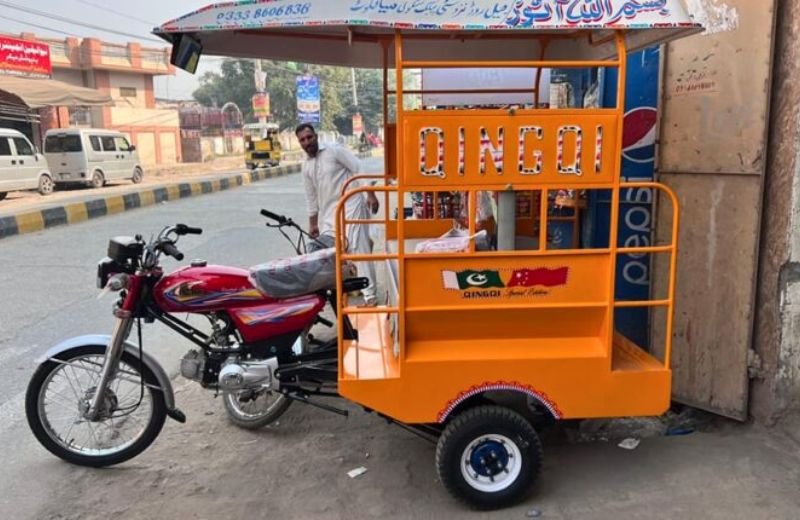
By Karachi’s administration has expanded its ban on two-seater and four-seater rickshaws, adding six major new routes to the existing restrictions as the city continues to face severe and persistent traffic congestion. The move aims to improve traffic flow across some of Karachi’s busiest and most vital arteries.
The decision was announced on Thursday by Karachi Commissioner Syed Hasan Naqvi, following a detailed recommendation from DIG Traffic Peer Muhammad Shah. The order has been enforced under Section 144 of the Criminal Procedure Code (CrPC), giving authorities immediate legal grounds to limit rickshaw movement on designated roads.
Six More Roads Added to Existing Restrictions
The Sindh government had already banned rickshaws on 20 major roads through a notification issued on October 17, 2025. With the latest extension, the restriction now applies to 26 major routes, including key commercial, business, and transit corridors such as Shahrah-e-Faisal, one of Karachi’s busiest highways.
Officials stated that the expanded ban aims to clear bottlenecks, improve vehicle movement, and reduce travel delays that have increasingly frustrated commuters.
Full List of Restricted Roads
The rickshaw ban now applies to the following major routes in Karachi:
- Sharea Faisal
- II Chundrigar Road
- Shahrah-e-Quaideen
- Shershah Suri Road
- Shaheed-e-Millat Road
- Abdullah Haroon Road to Do Talwar
- Shahrah-e-Firdousi
- Stadium Road
- Sir Shah Suleman Road
- Rashid Minhas Road
- Mauripur Road
- Shahrah-e-Pakistan
- Hub River Road
- Quaidabad to Landhi 89
- University Road
- Korangi Road (FTC to Qayyumabad)
- Korangi Road (Qayyumabad to Korangi Crossing)
- Orangi Road
- Super Highway to Malir Halt
- Surjani to Sohrab Goth
With the newly added six routes, the total now stands at 26 restricted roads.
Additional Measures to Control Traffic Pressure
To further ease the burden on Karachi’s key transport corridors, the Sindh government has also:
- Imposed a daytime ban on heavy vehicles
- Enforced a 30 km/h speed limit for heavy transport vehicles (HTVs) on critical routes
These measures are designed to reduce congestion, prevent traffic gridlocks, and ensure smoother mobility for millions of daily commuters.
A Response to Soaring Public Frustration
Authorities stated that the latest order was issued following days of unprecedented congestion across the city, which caused widespread frustration and significant delays. Officials believe that tighter restrictions on rickshaws and heavy vehicles will help stabilize traffic movement while longer-term solutions are developed.
Disclaimer:
The information in this article is based on official statements and notifications available at the time of writing. Any future changes or updates to traffic regulations or government policies may not be reflected immediately. Readers are advised to follow local authorities and official channels for the latest guidelines.