


 By
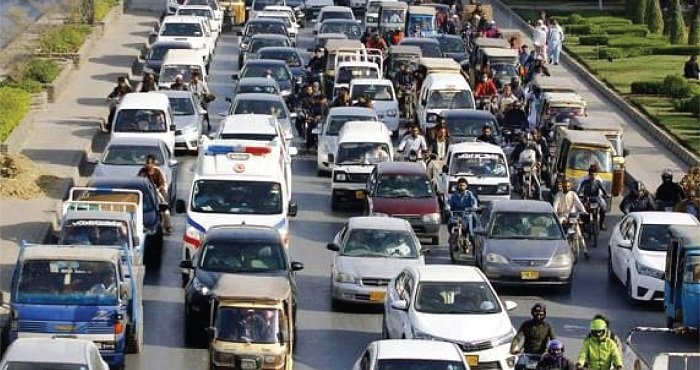
By In a major development aimed at improving traffic conditions in the city, the Karachi Commissioner has announced a two-month ban on rickshaws across 20 major roads. The decision, made on the recommendation of the Deputy Inspector General (DIG) of Traffic, affects both 3-seater and 5-seater rickshaws and is part of broader efforts to streamline road usage and minimize traffic jams during peak hours.
The official notification issued by the Commissioner’s office gives the traffic police full authority to enforce the ban, which covers several high-traffic corridors, intersections, and business zones. The move comes in response to ongoing concerns from commuters and city authorities about the role of slow-moving rickshaws in worsening urban congestion.
Roads Affected by the Ban
Key routes impacted by the ban include:
- Shahrah-e-Faisal (Avari Signal to Madam Apartments)
- II Chundrigar Road (Tower to Shaheen Complex)
- Shahrah-e-Quaideen (Numaish to Nursery)
- University Road (Safoora Goth to Jail Chowrangi)
- Rashid Minhas Road (Drug Road to Sohrab Goth)
- FTC to Korangi Crossing, Millennium to New Town Police Station, and areas near Mazar of Abdullah Shah Ghazi
- Intersections like Hassan Square, Jail Chowrangi, and Quaidabad
- Commercial and industrial zones such as Korangi, SITE, and Saddar
Rationale and Reactions
Authorities argue that rickshaws contribute significantly to slow traffic flow, especially in crowded zones and intersections. Limiting their movement is expected to improve road safety, reduce commute times, and allow emergency and public transport vehicles to move more freely.
However, the ban has sparked concern among rickshaw drivers and daily commuters who depend on these vehicles for affordable and accessible transport. Many worry that the absence of rickshaws will disproportionately affect low-income passengers and areas underserved by other forms of public transit.
Next Steps
The ban is temporary, set to remain in effect for two months, after which traffic authorities will review its impact and decide whether to extend, modify, or lift the restrictions. In the meantime, commuters are being encouraged to use alternative public transport options, and traffic police have been instructed to manage flow and provide assistance during the transition period.
As Karachi continues to grapple with rapid urbanization and mounting transport challenges, the rickshaw ban marks a critical attempt to modernize city traffic—but not without consequences for the city’s most vulnerable commuters.



0 Comment