

 By
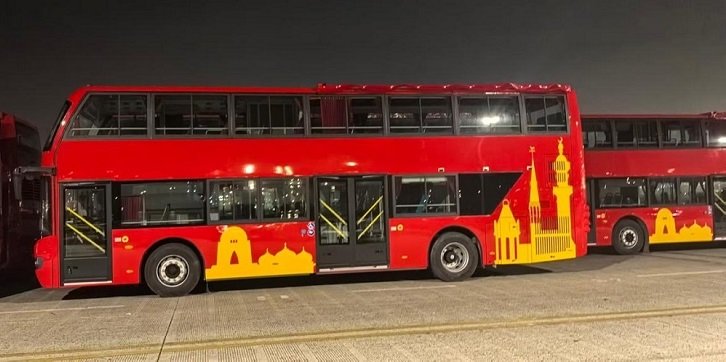
By Karachi’s public transport landscape is set for a significant upgrade as the much-anticipated double-decker bus service is scheduled to begin operations in January 2026. The initiative is part of broader efforts by city authorities to modernize public transportation, improve commuter comfort, and reduce traffic congestion in Pakistan’s largest metropolis.
According to officials, the initial route for the double-decker buses will be Shahrah-e-Faisal, one of Karachi’s busiest and most important transport corridors. The service will run between Model Colony and Tower, connecting residential areas with key commercial and business districts. This route has been selected due to its high daily passenger volume and strategic importance in the city’s transport network.
In the first phase, the government has imported five diesel-powered double-decker buses from China, alongside 34 electric buses to further strengthen Karachi’s mass transit system. Each double-decker bus is designed to carry approximately 115 to 120 passengers, making it an efficient solution for handling peak-hour demand. The buses are fully air-conditioned, offering commuters a more comfortable and modern travel experience compared to traditional public transport options.
Officials have also indicated that if the service performs well, additional routes may be introduced in the future. Expanding the network could help ease pressure on overcrowded roads and provide a reliable alternative to private vehicles, contributing to smoother traffic flow across the city.
The launch of the Karachi double-decker bus service reflects a growing focus on sustainable and efficient urban mobility. By combining high-capacity buses with electric vehicles, authorities aim to not only improve commuting convenience but also move towards a cleaner and more organized public transport system.
As Karachi continues to grapple with rapid population growth and traffic challenges, the upcoming double-decker bus service is expected to play a key role in shaping the city’s future transport infrastructure.