

 By
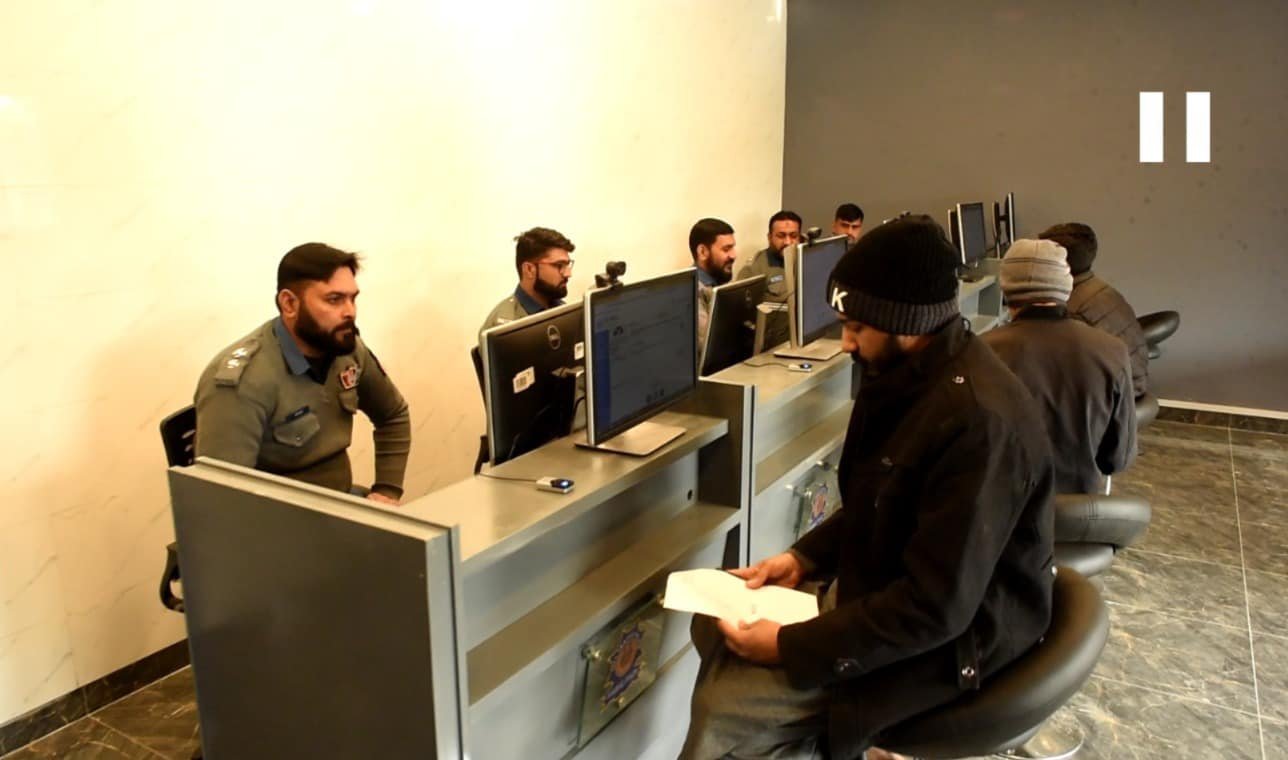
By The Islamabad Traffic Police (ITP) has launched a new premium service titled “Extra Protocol”, offering a fast-track option for obtaining driving licenses in the capital. For a fee of Rs. 2,000, applicants can now bypass long queues and complete the entire licensing process—from entry to issuance—within just one hour.
While this move is designed to enhance convenience and streamline administrative procedures, it has drawn mixed reactions from the public. Many citizens appreciate the efficiency and time savings, especially professionals and students with tight schedules. However, critics argue that the service promotes VIP culture, creating a two-tier system where those who can afford to pay get preferential treatment.
Fee Breakdown: What’s New?
The “Extra Protocol” service follows a broader revision in ITP’s licensing and public service charges, introduced in May 2024. Here’s a breakdown of the updated license-related fees:
- Regular License Fee: Rs. 2,400
- Medical Examination: Rs. 200
- Priority Processing: Rs. 200
- Road Test: Rs. 200–500 (depending on vehicle type)
- Road Safety Session: Rs. 200
- NOC for Licenses from Outside Islamabad: Rs. 1,000
These added charges have increased the overall cost of obtaining a license in Islamabad, especially when factoring in the optional Extra Protocol service.
Other Paid Public Services
The Islamabad Police also offer several other paid services to citizens, including:
- Character Certificate & Background Verification: Rs. 1,000
- Vehicle Inspection Fee: Rs. 1,500
- Forensic Verification: Rs. 3,500
These services are aimed at enhancing public safety and transparency, but also contribute to rising administrative costs for residents.
Oversight Measures to Curb Fee Irregularities
In light of public concern regarding fee irregularities and accountability, the Inspector General of Police (IGP) has taken direct control of all revenue-related functions. This move is expected to tighten financial oversight and ensure that all collections are properly documented and regulated.
Public Reaction: A Double-Edged Sword?
While many see the Extra Protocol initiative as a modern solution to outdated bureaucratic delays, others view it as an example of how public services are becoming increasingly monetized. The concern is that essential government services should be equitable, not influenced by a person’s ability to pay extra.
The Islamabad Police’s Extra Protocol service is a step toward digitization and speedier governance, but it walks a fine line between convenience and inequality. As fees rise and premium options expand, ensuring equal access and transparency remains essential for public trust.