

 By
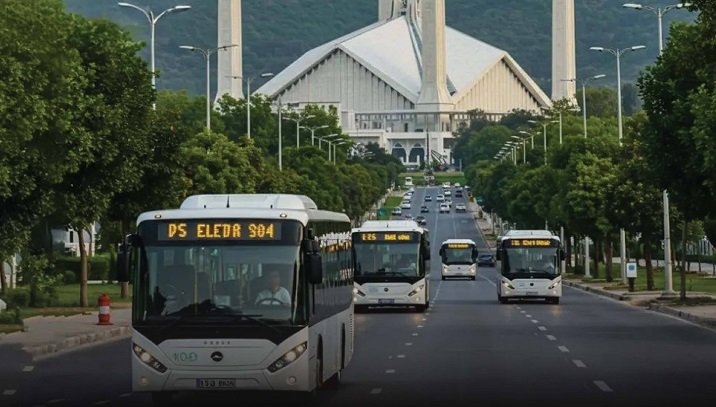
By In a major boost to sustainable urban mobility, the Capital Development Authority (CDA) has announced that Islamabad’s electric bus service has reached full operational capacity across all 21 designated routes. The milestone marks a significant step in the federal capital’s long-term plan to transform into a modern “Green City.”
According to CDA officials, the eco-friendly public transport system recorded more than 102,000 passengers in a single day this week, highlighting strong public adoption and growing reliance on electric mass transit.
The progress was reviewed during a high-level meeting chaired by CDA Chairman Muhammad Ali Randhawa, where officials provided updates on fleet operations, infrastructure development, and future expansion plans.
Electric Bus Infrastructure Near Completion
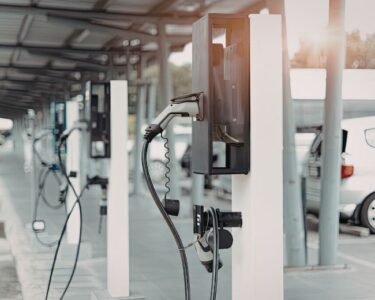
The supporting infrastructure for Islamabad’s electric bus network is nearing completion. CDA confirmed that the construction of specialized electric bus depots is in its final stages. While Site-A is already operational, the remaining depots are 97% complete, ensuring efficient charging, parking, and maintenance facilities for the city’s 160-bus electric fleet.
To avoid operational disruptions, engineering and IT teams have been directed to ensure 24/7 charging station availability, allowing uninterrupted service across all routes.
All 21 Routes Fully Operational
The electric bus service now operates on all 21 planned routes, connecting major residential, commercial, and institutional areas of Islamabad. Key corridors include G-9 to Faizabad and Nilore to Khanna Pul, significantly improving daily commute options.
These routes also function as feeder services to the Metro Bus system, seamlessly integrating with the Red, Orange, Blue, and Green Lines, and strengthening Islamabad’s public transport network.
Digital Integration Enhances Commuter Experience
As part of the Digital Islamabad initiative, the electric bus service has been integrated with Google Maps, enabling commuters to access real-time route information and bus timings.
Additionally, a cashless payment system using QR codes and digital wallets is being rolled out at all terminals. This move aims to improve convenience, reduce cash handling, and modernize public transport operations.
To further enhance accessibility, LED information boards will be installed at all 216 bus stops, providing live arrival updates and route maps for passengers.
Environmental Benefits and Future Expansion
Transitioning to electric buses is expected to significantly reduce Islamabad’s carbon emissions and urban pollution. Chairman Randhawa emphasized that all future CDA departmental vehicle procurements will prioritize electric vehicles, reinforcing the city’s commitment to sustainable development.
He also revealed that the feasibility study for an electric tram project is at an early stage, which could further expand clean and efficient transport options in the capital.
Towards a Greener Islamabad
With full route coverage, strong ridership, advanced digital integration, and ongoing infrastructure development, Islamabad’s electric bus service is emerging as a model for sustainable urban transport in Pakistan. The initiative not only improves daily commuting but also sets a benchmark for other cities aiming to adopt environmentally friendly public transit systems.