

 By
By In a recent development, the International Monetary Fund (IMF) has dismissed Pakistan’s proposal to exempt sales tax on electric vehicles (EVs). The global lender has emphasized the importance of maintaining tax policy consistency, rejecting any deviation for EV components.
IMF’s Concerns Over EV Tax Relief
Sources reveal that the IMF raised objections to the tax exemption on local EV component sales, arguing that all sales taxes should be aligned with standard policies.
The Ministry of Industries and Production had advocated for this tax concession to promote EV adoption, but the IMF remains firm in its stance. The organization insists that sales tax waivers on EV raw materials should not be granted, citing the need for uniform taxation.
This debate over tax exemptions is taking place alongside ongoing climate financing discussions between Pakistan and the IMF, which have now entered their third round. These negotiations cover a broader scope, including:
- Subsidies for electric vehicles
- EV infrastructure development
- Green budgeting mechanisms
Pakistan’s EV Infrastructure Plans
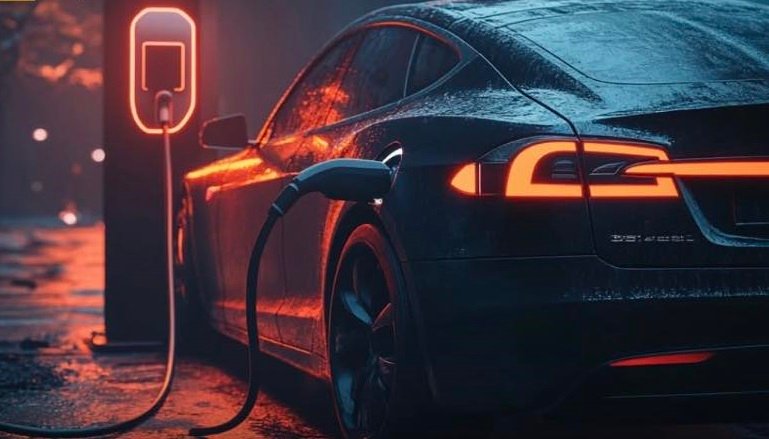
A key topic of discussion is the establishment of EV charging stations. Pakistani authorities aim to install 3,000 charging stations by 2030. Discussions with the IMF also include potential tariff adjustments for these facilities.
Earlier this week, a technical delegation from the IMF arrived in Islamabad to evaluate Pakistan’s climate financing strategies. Their discussions with federal and provincial authorities focus on:
- Green budgeting
- Funding transparency
- Adaptation measures
The mission, which extends until February 28, will assess Pakistan’s commitment to sustainable economic reforms.
Introduction of a Carbon Levy in 2025-26 Budget
One of the major topics under discussion is the implementation of a carbon levy in the federal budget for the 2025-26 fiscal year. The IMF is expected to provide recommendations on how this tax should be structured and implemented to ensure it aligns with global climate policies.
What’s Next for Pakistan’s EV Sector?
The outcome of these negotiations will have a significant impact on Pakistan’s climate financing strategies, taxation policies, and the future of its electric vehicle sector.
Will Pakistan find a middle ground with the IMF, or will the lender’s strict policies slow down EV adoption in the country? The coming weeks may provide more clarity on the direction of Pakistan’s green transition.