

 By
By In a significant update to Pakistan’s 2025 federal budget, the government has officially confirmed that Hybrid Electric Vehicles (HEVs) will now be subject to the Green Tax, a newly introduced environmental levy aimed at reducing vehicle-related emissions. While it was initially believed that only Internal Combustion Engine (ICE) vehicles would be taxed, further clarification has revealed that HEVs are also included—except for certain Plug-in Hybrid Electric Vehicles (PHEVs) with at least 50 km EV-only range, which remain exempt.
Who Is Exempt?
According to the official definition of a New Energy Vehicle (NEV), only the following vehicle types are exempt from the Green Tax:
- Pure Electric Vehicles (EVs) powered solely by rechargeable batteries.
- PHEVs that use both a combustion engine and an electric motor but must deliver at least 50 km of electric-only range.
Green Tax Rates for HEVs and ICE Cars
The government has introduced a tiered tax rate based on engine capacity:
- 1% for engines 1300cc or below
- 2% for engines 1301cc to 1800cc
- 3% for engines 1801cc and above
Since most locally available hybrid cars fall within the 1301–1800cc range, they will attract a 2% Green Tax.
Locally Available HEV Models Affected
Here’s how the tax will affect some popular HEV models:
| Brand | Model | Engine | Ex-Factory Price (Rs.) | 2% Green Tax (Rs.) | New Price (Rs.) |
|---|---|---|---|---|---|
| Haval | H6 HEV | 1.5L | 11,749,000 | 234,980 | 11,983,980 |
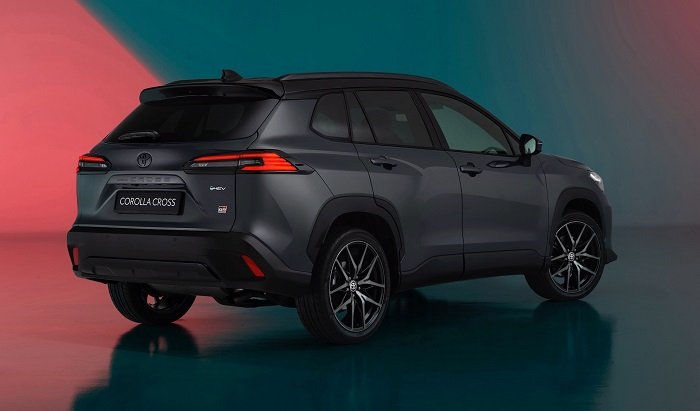
| Toyota | Corolla Cross 1.8 HEV | 1.8L | 8,999,000 | 179,980 | 9,178,980 |
| Hyundai | Tucson Hybrid Smart | 1.6L | 10,999,000 | 219,980 | 11,218,980 |
| Kia | Sportage L HEV | 1.6L | 10,999,000 | 219,980 | 11,218,980 |
Other models from Santa Fe, Elantra, and KIA Sorento series will also see similar increases.
Why the Green Tax?
The Green Tax is designed to curb pollution from gasoline and diesel-powered vehicles. Despite offering improved fuel economy, HEVs still rely on internal combustion engines, thus producing emissions. The revenue from this tax will support environmental protection projects and encourage the shift toward zero-emission vehicles (ZEVs) like full EVs and qualifying PHEVs.
What Consumers Should Consider
Buyers are encouraged to:
- Recalculate total costs when purchasing a hybrid car post-tax.
- Consider switching to fully electric vehicles to avoid the Green Tax.
- Monitor government incentives for EVs, which may offset higher upfront costs.
Final Thoughts
The inclusion of HEVs in the Green Tax framework reflects Pakistan’s growing commitment to climate action and cleaner transportation. As the auto industry shifts toward sustainable models, consumers and manufacturers alike will need to adapt to the changing regulatory and economic landscape.
Disclaimer:
The information provided in this article is based on the publicly available details of Pakistan’s Federal Budget 2025 and subsequent clarifications regarding the Green Tax policy. While efforts have been made to ensure accuracy, policies and tax regulations are subject to change and may vary based on official government notifications. Readers are advised to consult authorized tax professionals, dealership representatives, or relevant government departments for the most up-to-date and personalized information. This article is intended for general informational purposes only and does not constitute financial or legal advice.