

 By
By As global fuel prices fluctuate and environmental concerns grow, the automotive landscape in 2025 is increasingly shifting toward cleaner, more sustainable alternatives. Among the most popular choices are Electric Vehicles (EVs) and Hybrid Electric Vehicles (HEVs). But with both technologies rapidly evolving, car buyers face a crucial question: Electric or Hybrid—Which one is the right choice in 2025?
What’s the Difference?
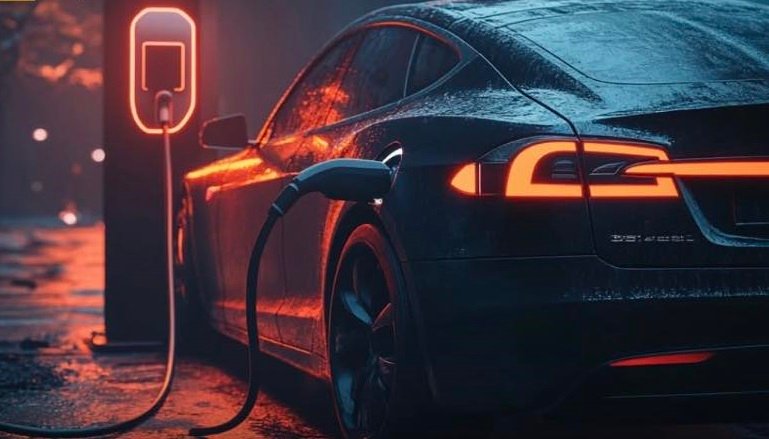
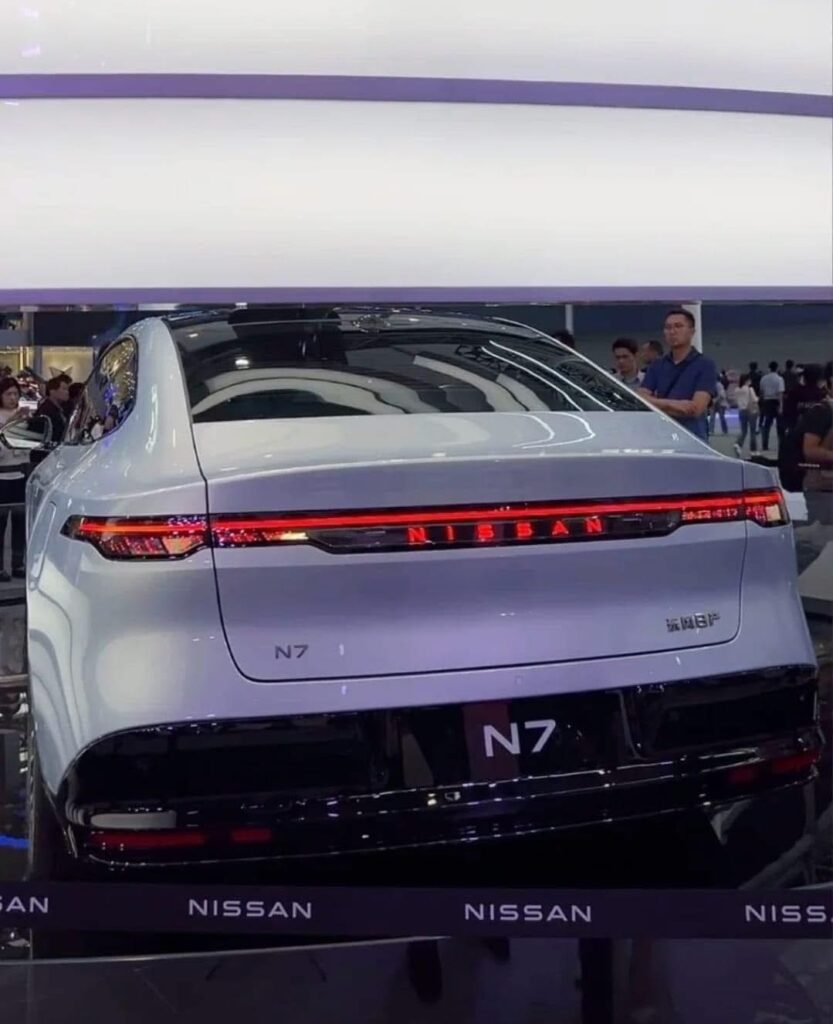
- Electric Vehicles (EVs) are powered solely by electricity. They use rechargeable battery packs and require no fuel or tailpipe emissions. Examples include the Tesla Model 3, BYD Dolphin, and Nissan Leaf.
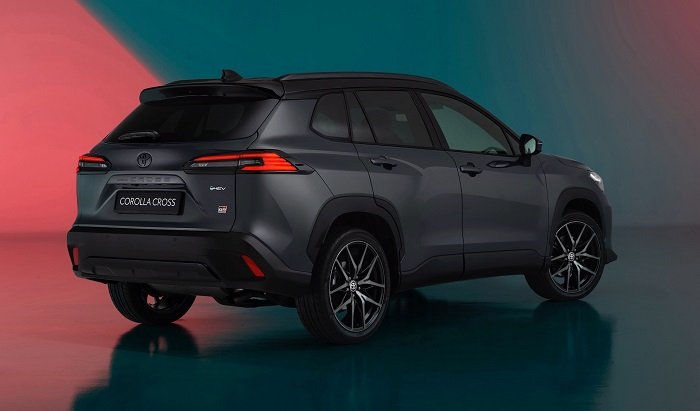
- Hybrid Vehicles (HEVs) combine a traditional internal combustion engine with an electric motor. They don’t need to be plugged in and automatically switch between petrol and electric modes. Popular models include the Toyota Prius, Hyundai Tucson Hybrid, and Honda Accord Hybrid.
Performance and Range in 2025
- Electric Cars have seen major improvements in range and performance. In 2025, many EVs offer 400–600 km per charge, fast-charging options, and superior acceleration due to instant torque.
- Hybrids, while offering lower electric-only range (20–80 km for plug-in hybrids), benefit from fuel backup for longer trips, making them ideal for areas with limited charging infrastructure.
Verdict: For city dwellers with access to charging stations, EVs are now more viable than ever. For long-distance travelers or those in rural areas, hybrids still hold a practical edge.
Cost and Incentives
- EVs are becoming more affordable, but still generally have a higher upfront cost. However, they qualify for government incentives, tax rebates, and significantly lower running costs.
- Hybrids are priced more moderately and don’t always benefit from the same incentives but cost less than EVs initially.
Verdict: EVs win in long-term savings, while hybrids offer lower entry costs.
Environmental Impact
- Electric Cars produce zero tailpipe emissions, making them the greenest option.
- Hybrids reduce fuel consumption and emissions but still rely partially on fossil fuels.
Verdict: If sustainability is your priority, EVs are the clear winner.
Maintenance and Reliability
- EVs have fewer moving parts, leading to lower maintenance requirements—no oil changes, fewer mechanical failures, and minimal servicing.
- Hybrids require regular maintenance for both engine and electric systems, increasing complexity.
Verdict: EVs are simpler to maintain and more future-proof.
Charging vs. Refueling Convenience
- EVs depend on a growing but still limited charging infrastructure in many regions, including parts of Pakistan.
- Hybrids can refuel at any petrol station, offering flexibility and peace of mind.
Verdict: For convenience in areas with limited EV charging, hybrids still have the edge.
Final Thoughts: Which One Should You Buy in 2025?
The choice between electric and hybrid cars in 2025 largely depends on your lifestyle, budget, location, and driving habits.
- Choose an EV if you live in a city, have access to charging stations, prioritize eco-friendliness, and want to save more in the long run.
- Choose a Hybrid if you drive long distances, live in areas without reliable EV infrastructure, or prefer a flexible transition from petrol to electric.
The Future is Electric—But Not One-Size-Fits-All
With the global push toward electrification, EVs are undoubtedly the future. However, hybrids serve as a crucial bridge for many consumers navigating this evolving market. Whichever path you choose, 2025 offers better, smarter, and more sustainable driving options than ever before.