

 By
By Pakistan is gearing up for a significant transformation in its transport sector as the country addresses pressing environmental and economic challenges. The government is prioritizing the introduction of Electric Vehicles (EVs), aiming to reduce emissions, lower the national oil import bill, and stimulate local industry growth. Here’s how Pakistan plans to launch its EV market and transition towards cleaner, sustainable transportation.
Government Support for Developing the EV Market
One of the main challenges in adopting electric vehicles is their high initial cost. To overcome this, the government has introduced several incentives aimed at making EVs more affordable and boosting local production. Some notable steps include:
- Elimination of Additional Customs Duty and Sales Tax: The government has removed the Additional Customs Duty and Additional Sales Tax (AST) on EV imports, making these vehicles more accessible to the public.
- Reduced Customs Duty on EV Parts: Certain EV components that are not produced locally can now be imported at just 1% customs duty with no sales tax, encouraging local manufacturers to grow the industry.
- Exemption from Federal Excise Duty (FED): The government has also scrapped the Federal Excise Duty (FED) on four-wheel electric vehicles.
- Reduced Sales Tax on Locally Manufactured EVs: Locally produced EVs with power outputs up to 50KW will be subject to just 1% sales tax, a step designed to increase affordability and expand the market.
These measures are intended to make EVs more accessible to the general public while supporting local manufacturers in building a robust electric vehicle industry.
Monetary and Non-Monetary Incentives
In addition to tax relief, the National Electric Vehicle Policy of Pakistan offers a variety of financial and non-financial incentives:
- No Registration Fees or Annual Renewals: EV owners will not need to pay registration fees or annual renewal charges, significantly lowering the overall cost of ownership.
- Exclusive Number Plates for EVs: Special number plates will be issued to EVs, helping create dedicated EV zones in areas with heavy traffic.
- Reduced Toll Taxes: Electric vehicles will benefit from a 50% reduction in toll taxes at all national toll stations managed by the National Highway Authority.
The State Bank of Pakistan is also playing a pivotal role in promoting EV adoption through its Green Banking Guidelines. These include attractive financing options, such as specialized car loans with interest rates as low as 1+4%, making EV ownership more affordable for consumers.
Focus on Two and Three-Wheelers
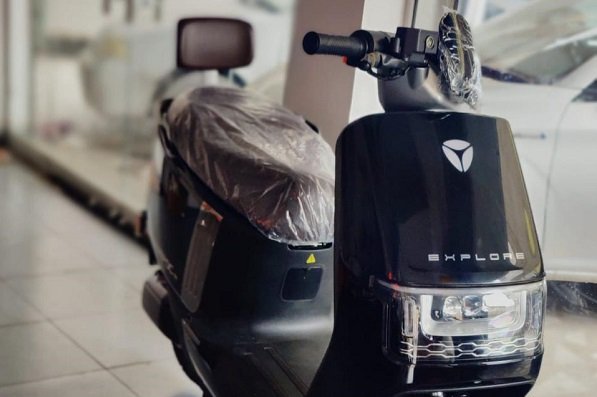
In Pakistan, two and three-wheelers dominate the transport landscape, with over 20 million of these vehicles currently in use. The government is particularly focused on incentivizing the adoption of electric bikes and rickshaws, which are a common mode of transportation in the country. Key incentives for this sector include:
- 1% Sales Tax for Local Manufacturers: Local manufacturers of two and three-wheel EVs are subject to just 1% sales tax, making it easier for companies to produce and sell affordable electric alternatives.
- Low Customs Duty for EV Parts: Complete Knock Down (CKD) kits for EV components will be imported at 1% customs duty, with no sales tax, further encouraging local production.
Moving Towards a Cleaner Future
These comprehensive steps taken by the government aim to build an EV-friendly environment in Pakistan, one that not only reduces pollution but also stimulates local industry and lessens the country’s reliance on foreign oil. By encouraging the use of electric vehicles, Pakistan is on the path to a greener, more sustainable transportation future.