

 By
By In a significant move to promote electric vehicle (EV) adoption, the government has reduced the electricity tariff for EV charging stations by a substantial 45%. The revised rate is now set at Rs39.70 per unit, a notable decrease from the previous Rs71 per unit. This initiative aims to make EV charging more accessible and affordable for the public, addressing a key barrier to widespread EV use.
Streamlined Approvals for EV Charging Stations
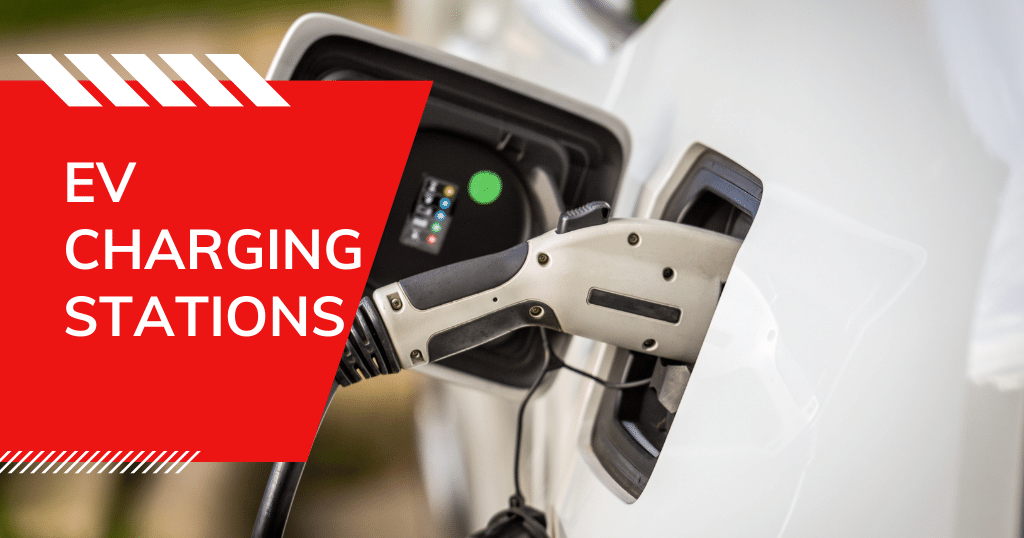
To further support the growth of the EV market, the government has introduced a streamlined process for setting up EV charging stations and battery swapping points. Approvals can now be obtained within just 15 days through the National Energy Efficiency and Conservation Authority’s (NEECA) one-window registration system. The registration fee is set at Rs50,000, making it easier for businesses and entrepreneurs to enter the EV infrastructure market.
Encouraging EV Adoption and Market Growth
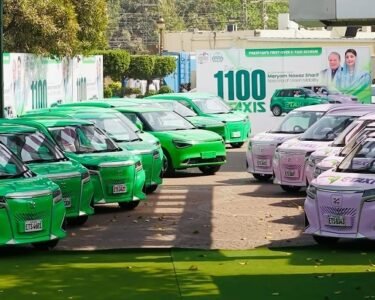
These measures are part of a broader strategy to increase EV adoption in the country. The government has set an ambitious target of achieving 30% EV inclusion by 2030, aiming to reduce dependency on fossil fuels, save billions in fuel costs, and create new business opportunities. By making EV infrastructure more affordable and accessible, the government seeks to address critical challenges in the market and encourage more consumers to switch to electric vehicles.
Economic and Environmental Benefits
The outlined initiatives are expected to provide significant economic and environmental benefits. Increased EV adoption will not only help reduce fuel import costs but also contribute to lowering greenhouse gas emissions, aligning with global efforts to combat climate change.
This landmark decision marks a pivotal step toward a more sustainable future for transportation and demonstrates the government’s commitment to fostering a robust EV ecosystem.