

 By
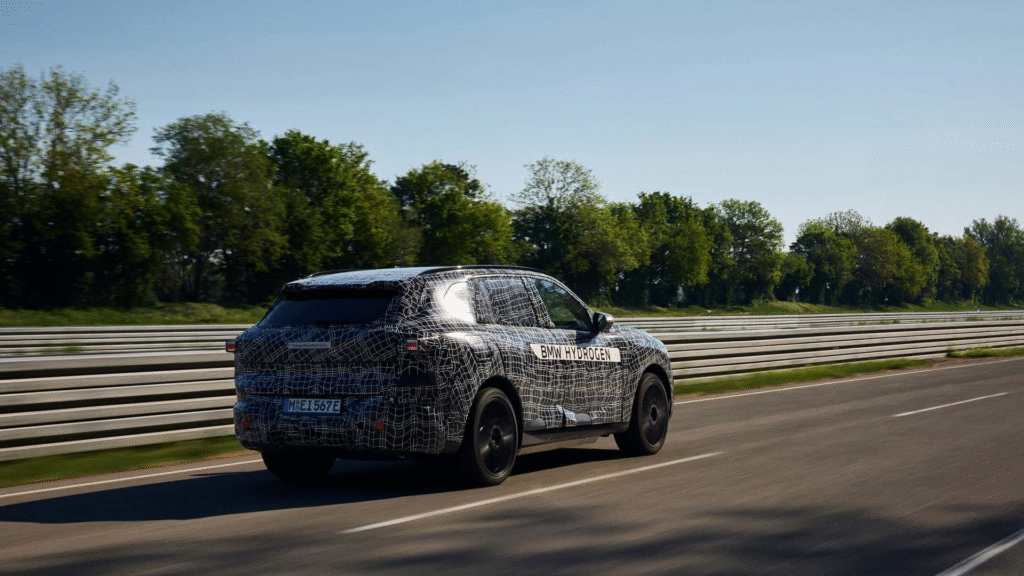
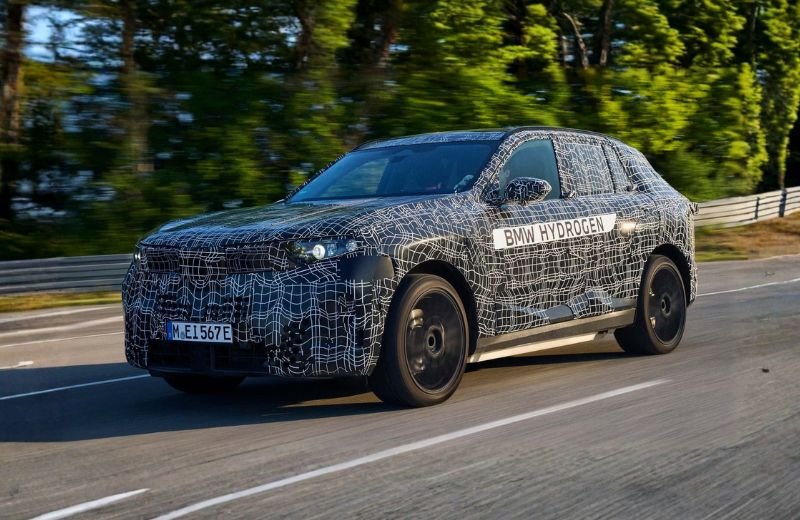
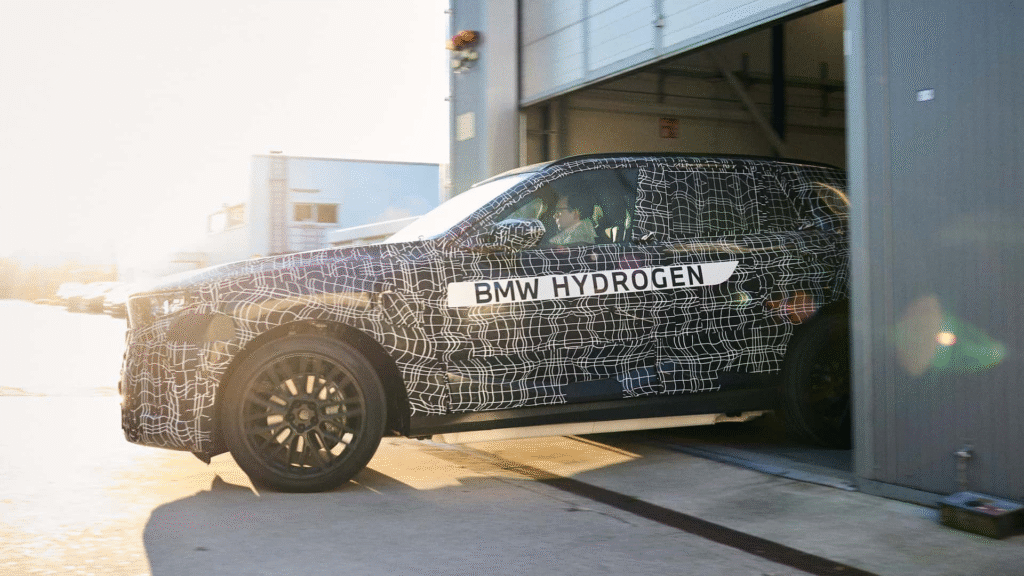
By BMW is continuing its push into hydrogen powered mobility with the next generation iX5 Hydrogen SUV, introducing a new fuel storage system designed to improve driving range without compromising interior space. The update reflects the company’s long term investment in fuel cell technology despite limited global adoption so far.
The latest development focuses on a redesigned hydrogen storage system called Hydrogen Flat Storage. This new setup allows the vehicle to carry more fuel while maintaining a practical interior layout. BMW aims to address one of the key limitations of hydrogen vehicles by increasing range and efficiency.
Hydrogen powered vehicles have not yet gained widespread popularity compared to battery electric vehicles. However, they offer advantages such as faster refueling times and long driving ranges, making them a viable alternative in certain use cases.
New Storage System Improves Range and Efficiency
The updated iX5 Hydrogen SUV features a flat tank system that integrates into the vehicle floor. This design prevents intrusion into cabin or cargo space while increasing storage capacity. The new system can hold at least 7 kilograms of hydrogen, compared to 6 kilograms in the current model.
This increase in capacity translates into a longer driving range. BMW estimates the new iX5 Hydrogen can deliver up to 750 kilometers on a full tank. This is a notable improvement over the previous version, which offered around 482 kilometers.
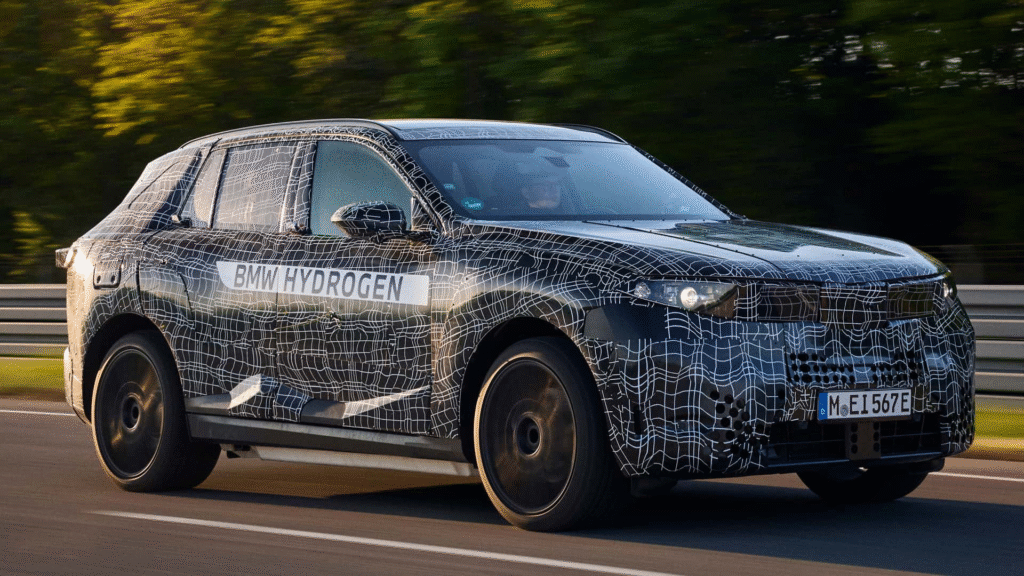
The tank consists of seven carbon fiber reinforced chambers connected as a single unit. These cylinders operate at a pressure of 700 bar and are housed in a protective enclosure. The compact design allows BMW to integrate the system alongside other powertrain components efficiently.
Refueling remains one of the strongest advantages of hydrogen vehicles. The iX5 Hydrogen can be refueled in under five minutes, offering convenience similar to traditional petrol vehicles. This makes it suitable for long distance travel without extended charging stops.
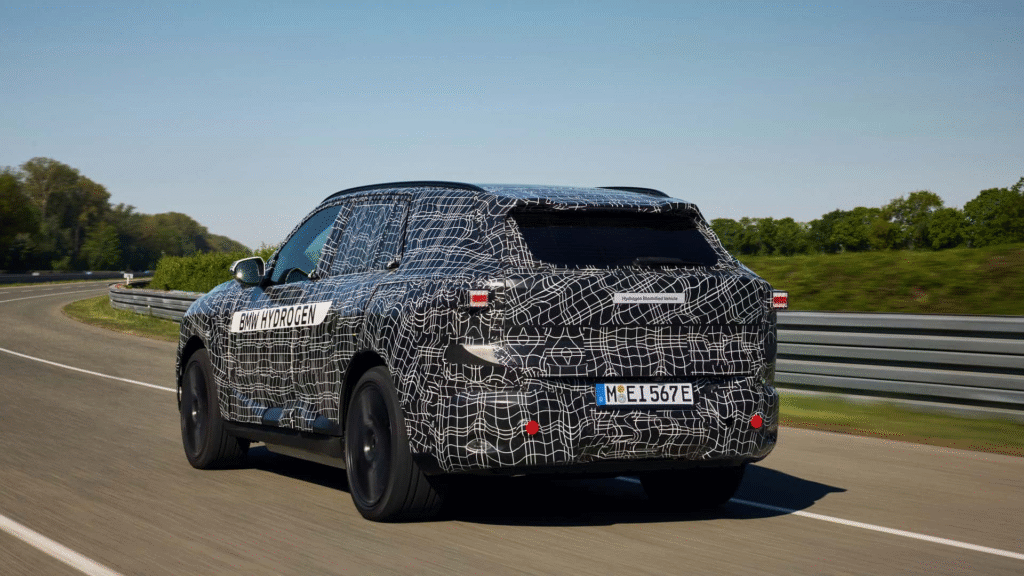
BMW is also focusing on production efficiency. The hydrogen system shares similar packaging dimensions with the company’s next generation battery systems. This allows multiple variants of the X5, including electric, hybrid, and combustion models, to be built on the same assembly line.
The fuel cell system used in the upcoming model is being developed in collaboration with Toyota. Known as the third generation system, it promises improved efficiency and higher power output compared to the current version.
Also read New Solar EV Charging Station Works Without Grid Power
BMW plans to begin production of the next generation iX5 Hydrogen around 2028. The model will be part of a broader X5 lineup that includes petrol, diesel, plug in hybrid, and fully electric versions.
The new iX5 Hydrogen highlights BMW’s strategy of exploring multiple powertrain solutions. While battery electric vehicles dominate the market, hydrogen technology continues to evolve as an alternative for long range and quick refueling mobility.