

 By
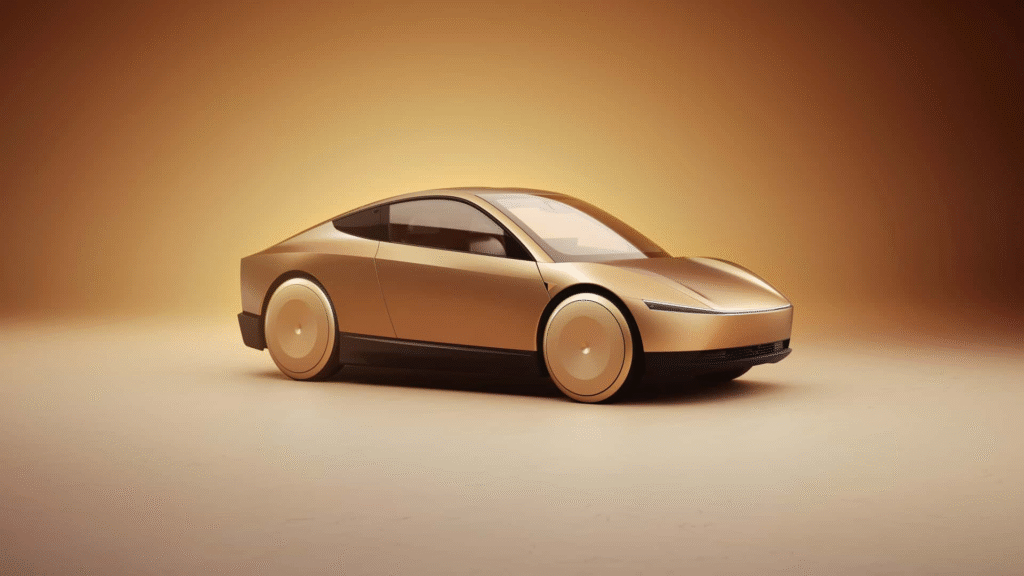
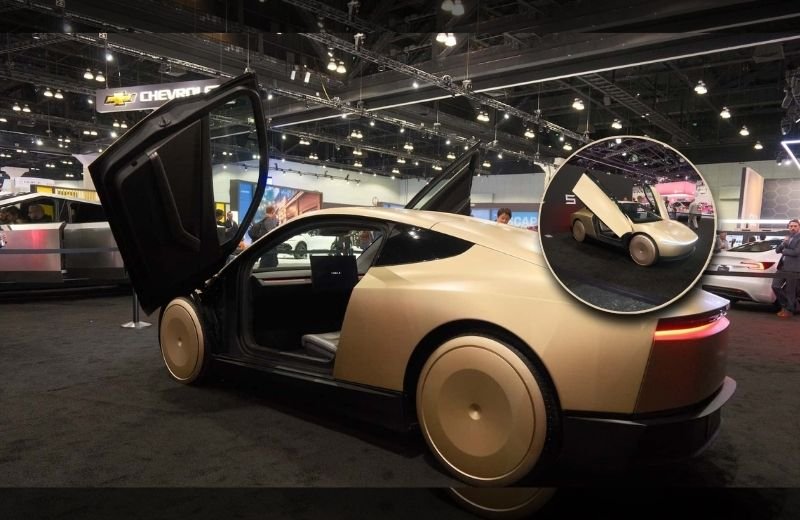
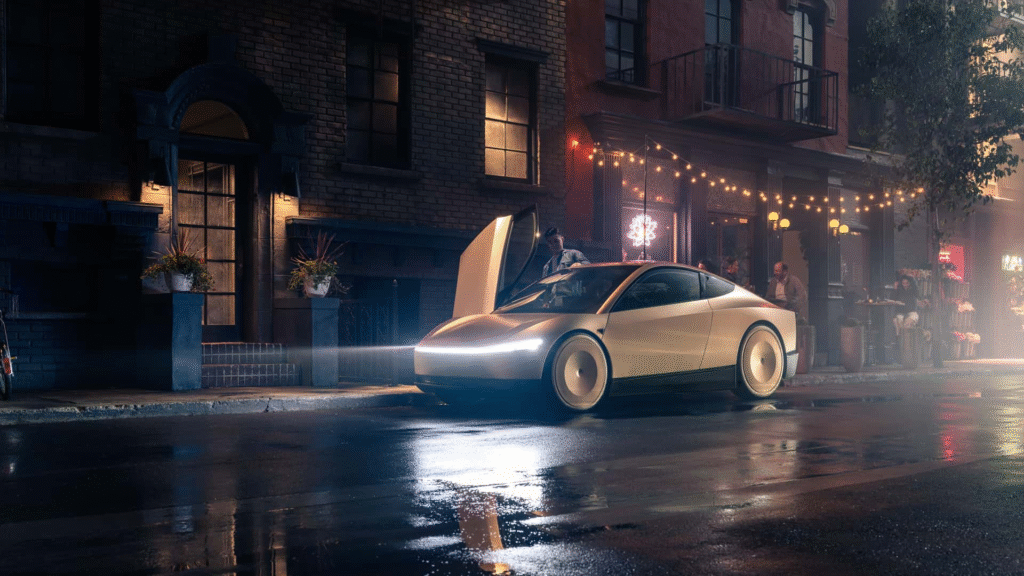
By Tesla has taken another major step toward autonomous transportation by testing a new version of its Cybercab robotaxi without a steering wheel or pedals on public roads in Austin, Texas.
The latest test reflects the company’s push toward fully autonomous vehicles designed to operate without traditional driving controls. Tesla shared footage showing the vehicle driving through city streets while a safety monitor remained seated inside the cabin.
Cybercab moves closer to fully autonomous design
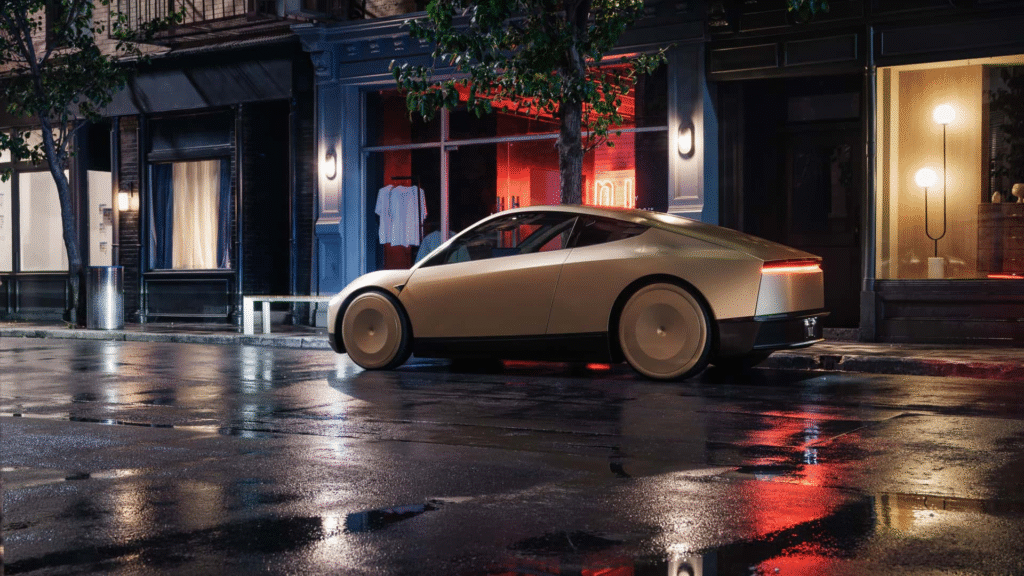
Tesla first revealed the Cybercab concept in 2024 and confirmed that the vehicle would eventually operate without a steering wheel or pedals. Until recently, earlier prototypes still included standard controls during testing.
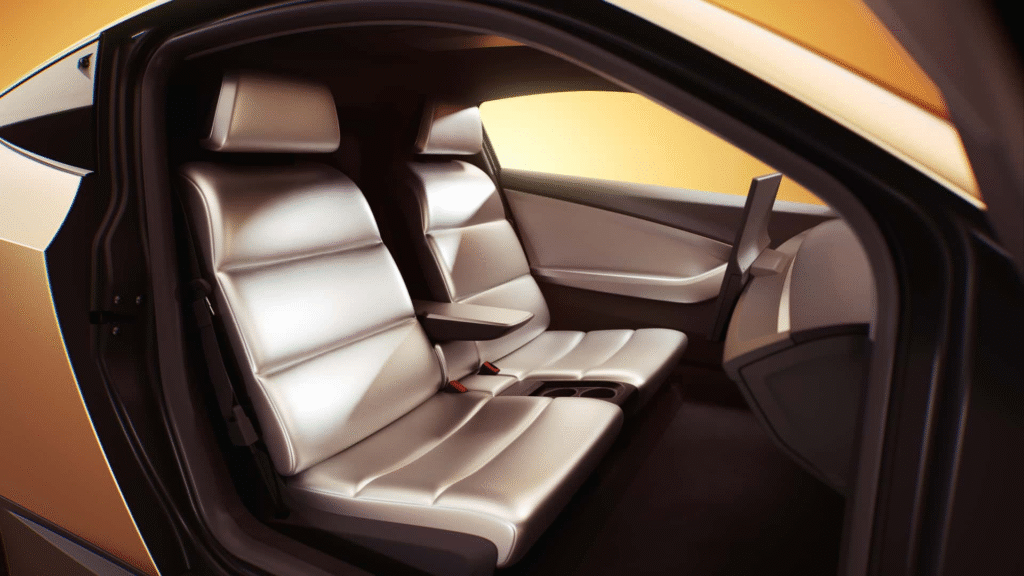
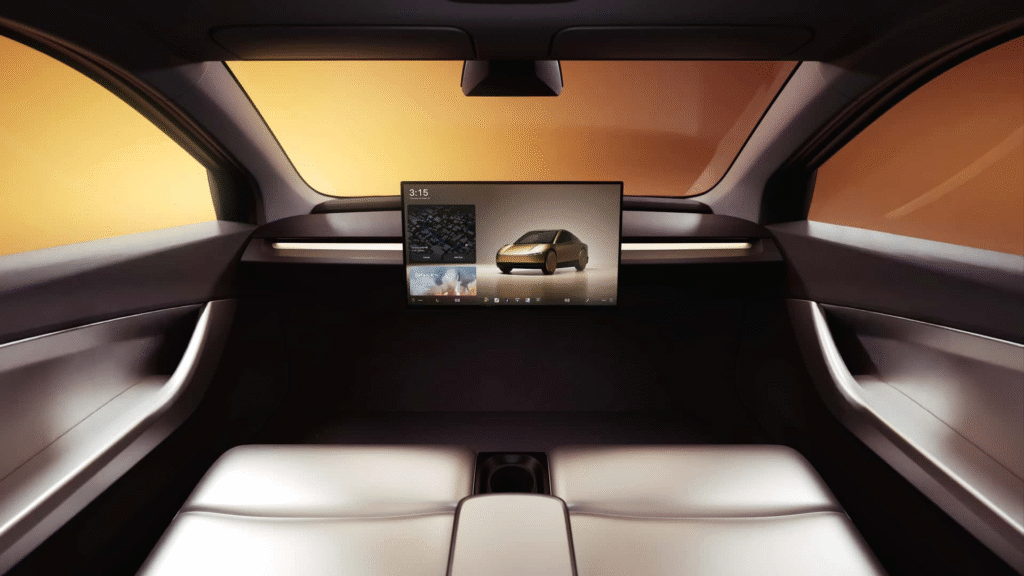
The newest version removes those traditional driving components entirely. Both seats inside the cabin now function as passenger seats rather than driver and passenger positions.
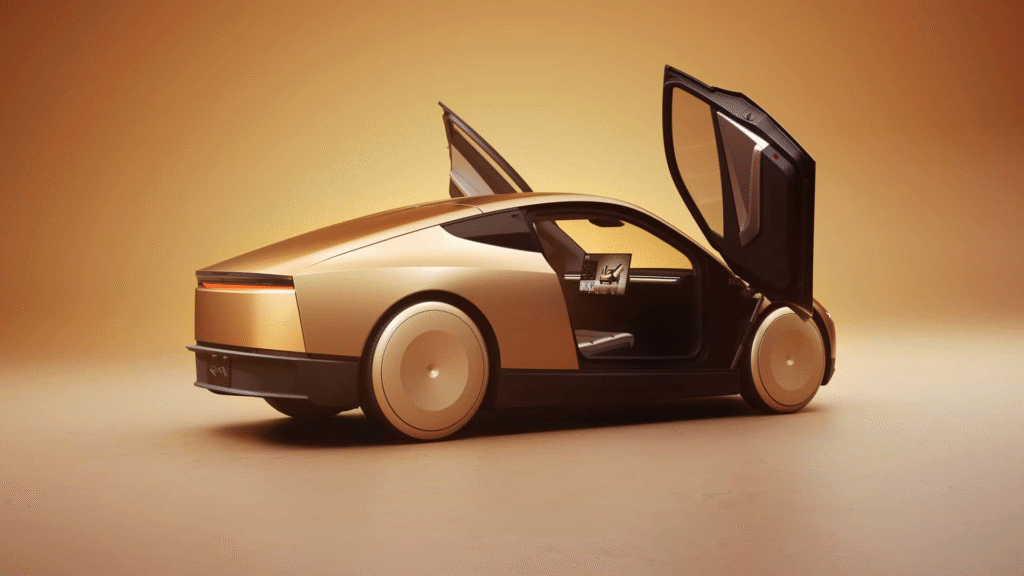
The move signals Tesla’s confidence in advancing its Full Self Driving technology as the company pushes toward commercial robotaxi deployment.
Safety questions remain under discussion
While the steering free design represents a major technology shift, it also raises practical questions about safety and emergency operation.
Many autonomous vehicles currently operating on public roads still include backup driving controls. Competitors in the robotaxi industry often rely on steering wheels, pedals, or remote operators to manage unexpected situations.
Tesla has not yet explained how owners or emergency responders would control the Cybercab if technical problems occur. The company also has not revealed whether the vehicle includes hidden backup systems or external control options.
Tesla aims for broader robotaxi expansion
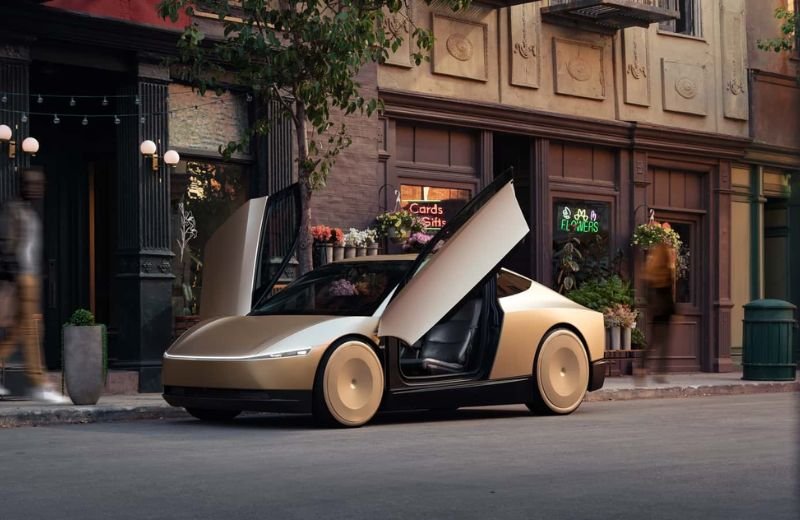
Unlike some autonomous vehicle companies that operate their own fleets, Tesla has indicated plans to eventually sell Cybercab vehicles directly to consumers.
That strategy could create a different business model compared to existing robotaxi services. However, it may also introduce additional regulatory and operational challenges.
Questions remain about:
- Vehicle recovery during system failures
- Remote assistance capabilities
- Emergency override systems
- Software reliability in public traffic
Tesla has not yet provided detailed answers regarding these areas.
Competition in autonomous transportation grows
Tesla enters an increasingly competitive self driving vehicle market where companies continue expanding robotaxi operations across major cities.
Several technology firms already operate autonomous ride services with varying levels of remote monitoring and backup controls. Tesla’s steering free approach stands out because of its focus on removing traditional driver hardware completely.
Also read Tesla introduces smarter airbag response through onboard cameras
Industry analysts continue watching closely to see whether Tesla’s software driven strategy can match or exceed competitors already operating commercial autonomous fleets.
More testing expected before launch
Tesla has stated that the Cybercab could enter production before 2027. Public road testing will likely continue as the company gathers more data and refines the system.
The Austin trials represent an early step in demonstrating whether a fully steering free autonomous vehicle can safely operate in real world traffic conditions.
As testing expands, regulators, consumers, and industry experts will continue evaluating how practical and reliable Tesla’s robotaxi vision becomes in everyday use.