


 By
By The logistics sector in Pakistan is facing renewed pressure as the Pakistan Goods Transport Alliance has announced a five percent increase in goods transport fares. The decision comes in response to the latest hike in petrol and diesel prices, which has significantly raised operating costs for transporters across the country.
Rising Costs Hit Transporters Hard
According to Alliance President Malik Shehzad Awan, the increase in fuel prices has made it increasingly difficult for transport operators to sustain their businesses. He stated that the cost of a single trailer trip has surged by approximately Rs200,000. For transporters managing multiple trips—often up to four per month—expenses have climbed as high as Rs800,000.
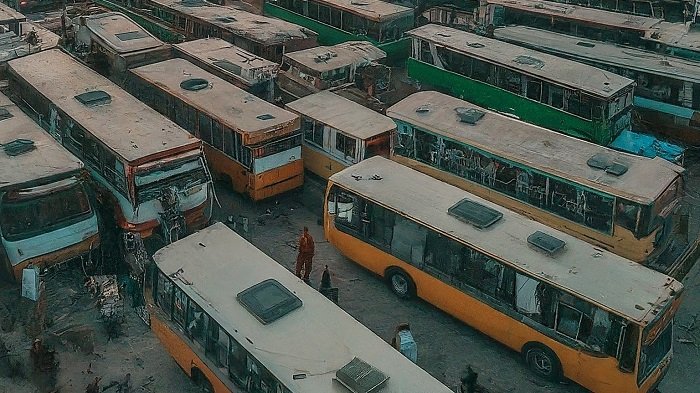
These rising operational costs are pushing many transporters toward financial instability. Awan warned that thousands of vehicle owners are being forced to park their trucks due to unsustainable expenses, signaling a potential slowdown in goods movement nationwide.
Impact on Economy and Inflation
The increase in goods transport fares is expected to have a direct impact on consumer prices. As logistics costs rise, businesses often pass these expenses on to end consumers, contributing to inflation. This trend could affect a wide range of sectors, including food, retail, and manufacturing, making essential goods more expensive for the general public.
Industry experts note that fuel prices play a critical role in determining logistics costs in Pakistan, where road transport remains the backbone of supply chains. Any fluctuation in fuel rates quickly translates into higher transportation charges.
Demands for Government Relief
The Pakistan Goods Transport Alliance has urged the federal government to introduce immediate relief measures to stabilize the sector. Among the key demands are the abolition of toll taxes, removal of withholding taxes, and an end to traffic fines imposed by motorway and traffic police authorities.
Additionally, Awan criticized the existing Rs80,000 subsidy for truck trailers, describing it as insufficient given the scale of rising fuel costs. He emphasized that more substantial support is needed to prevent further disruption in the logistics industry.
Additional Challenges Facing the Sector
Beyond fuel prices, the transport sector is also grappling with broader challenges, including regional tensions and economic uncertainty. These factors have disrupted business operations and added to the difficulties faced by transporters.
The combination of rising costs, limited relief measures, and external pressures paints a concerning picture for the future of goods transportation in Pakistan. Without timely intervention, stakeholders warn that the situation could worsen, affecting supply chains and economic stability.
Looking Ahead
The 5% increase in goods transport fares highlights the fragile state of the logistics sector. While the move may provide temporary relief to transporters, it also underscores the urgent need for comprehensive policy measures to address rising fuel costs and support the industry.
As discussions continue between stakeholders and the government, the coming weeks will be crucial in determining whether effective solutions can be implemented to ease the burden on transporters and protect consumers from further price hikes.
Disclaimer: This article is based on reported statements and available data. Economic conditions and policy decisions may change, impacting the transport sector accordingly.