

 By
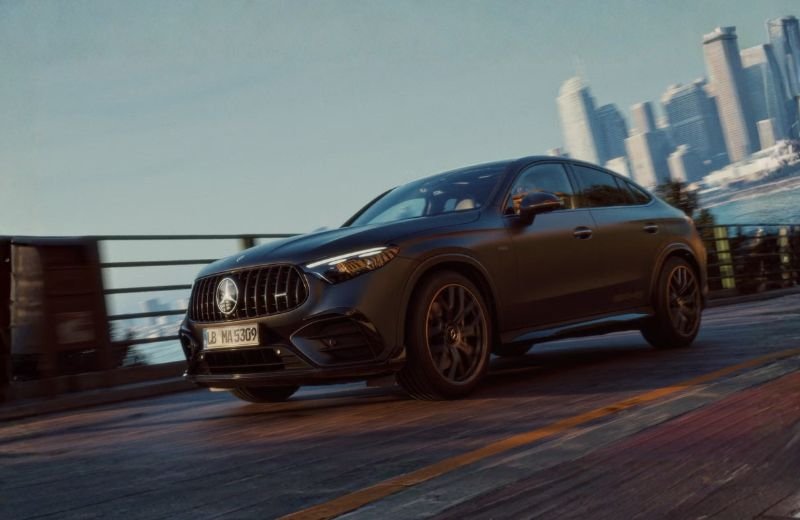
By Mercedes AMG is developing a new electric performance car that aims to deliver the emotional experience of a traditional combustion engine vehicle. The upcoming four door electric GT model will combine high performance with simulated engine sound and gear shifts to appeal to driving enthusiasts.
The new AMG EV will feature a tri motor setup, with one motor at the front and two at the rear. This configuration allows precise torque distribution across the rear axle, giving the car strong drifting capability and improved handling control. Engineers designed the system to provide better responsiveness compared to typical dual motor electric vehicles.
The motors use an axial flux design, which makes them compact and highly power dense. This setup allows AMG to deliver high performance without adding excessive weight. While official production figures are not confirmed, the concept version produces over 1,300 horsepower. The final model is expected to exceed 1,000 horsepower to compete with rivals like the Porsche Taycan.
Driving Experience and Technology
Mercedes AMG is focusing heavily on driving feel rather than just speed. The company has introduced a new control system called AMG Race Engineer, which allows drivers to adjust how the car behaves in real time. The system includes three key settings that influence performance and handling.
- Response Control adjusts how quickly the motors react to throttle input
- Agility Control changes how the car rotates, allowing more or less oversteer
- Traction Control offers multiple levels to manage wheel slip and stability
Drivers can adjust these settings using physical controls, making it easier to fine tune the car without relying on a touchscreen. This approach ensures that performance adjustments remain intuitive while driving.
To further replicate the feel of a traditional AMG model, the EV will include simulated V8 engine sounds and artificial gear shifts. These features aim to recreate the sensory experience of combustion engines, which many performance car buyers still value.
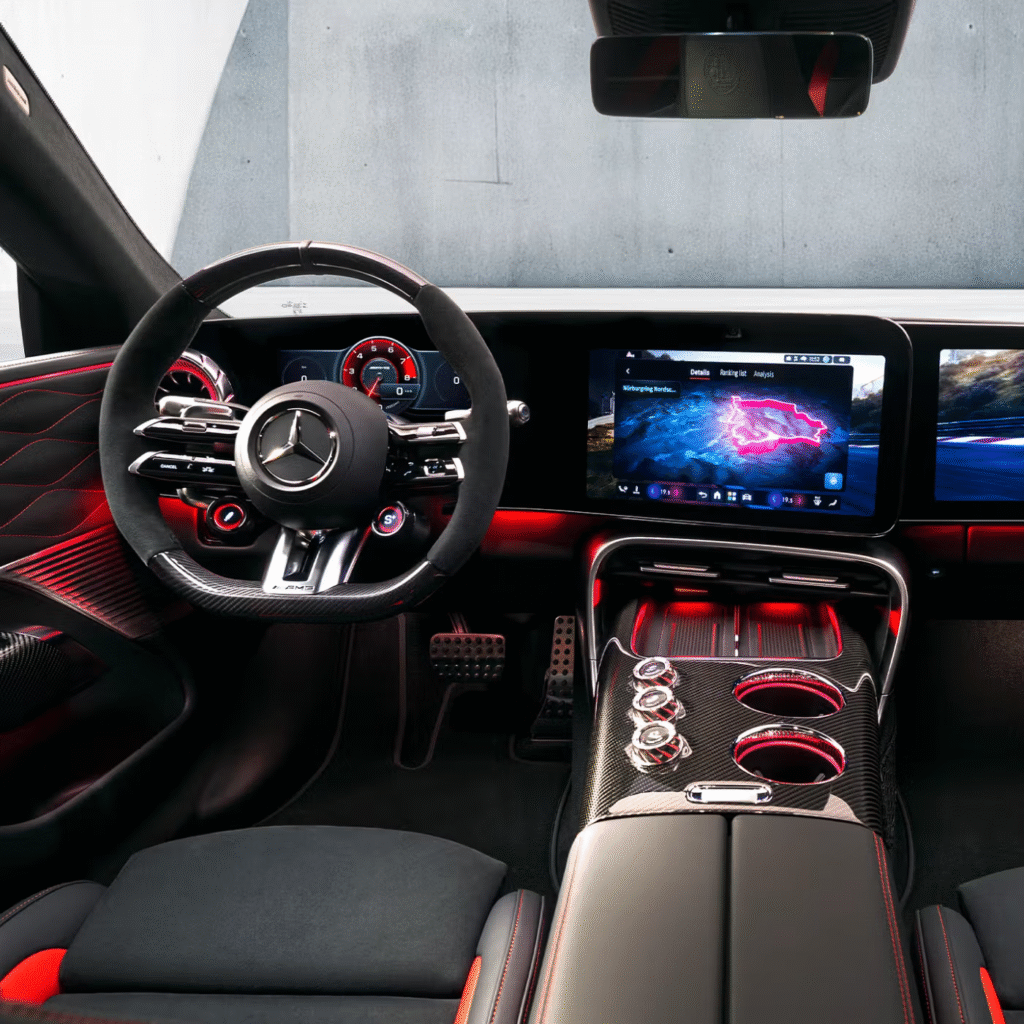
The tri motor system plays a key role in this experience. Unlike standard all wheel drive EVs that split power between front and rear axles, this setup can distribute torque more precisely across the rear wheels. This allows better control during cornering and drifting, giving the car a more dynamic character.
Mercedes AMG’s approach reflects a broader trend in the performance EV market. Automakers are exploring ways to combine electric efficiency with emotional driving experiences. By adding sound, gear simulation, and advanced handling systems, brands aim to retain their identity as they transition to electric power.
Also read Polestar Moves Production of Its Largest EV to the United States
The upcoming electric GT four door will compete with high performance EVs from Porsche and other luxury brands. However, AMG’s focus on driver engagement may set it apart in a segment often defined by straight line speed.
As electric vehicles become more common, the challenge for performance brands is to preserve the excitement that defines their legacy. Mercedes AMG’s latest EV shows how technology can bridge the gap between traditional combustion engines and the future of electric performance.