

 By
By Rivian CEO RJ Scaringe defended the company’s massive $24 billion cash burn, calling it a calculated move to become a “very large company.” Over the past eight years, Rivian has spent aggressively to enter the competitive EV market, preparing for the launch of its next major vehicle, the R2.
Unlike Tesla, which started when the EV market was relatively quiet, Rivian entered a crowded field with established competitors and high demand pressures during COVID-19. Supply chain constraints and soaring component costs forced Rivian to pay premiums to produce the R1, its first volume vehicle, which Scaringe called the company’s “handshake with the world.”
Rivian’s Strategy and Challenges
Rivian spent more than almost every other pure EV maker over the same period, including Lucid, Polestar, and Fisker. While investors have expressed concern over the negative cash flow, Scaringe emphasized that the spending was intentional, aiming to secure long-term growth.
The company’s early years were difficult. Rising costs, limited volume discounts, and a competitive market led to a deep cash outflow. Scaringe stated, “It was very hard to get great pricing, but we had to launch with the confidence that volume production would allow renegotiation of contracts later.”
The R2: Rivian’s Turning Point
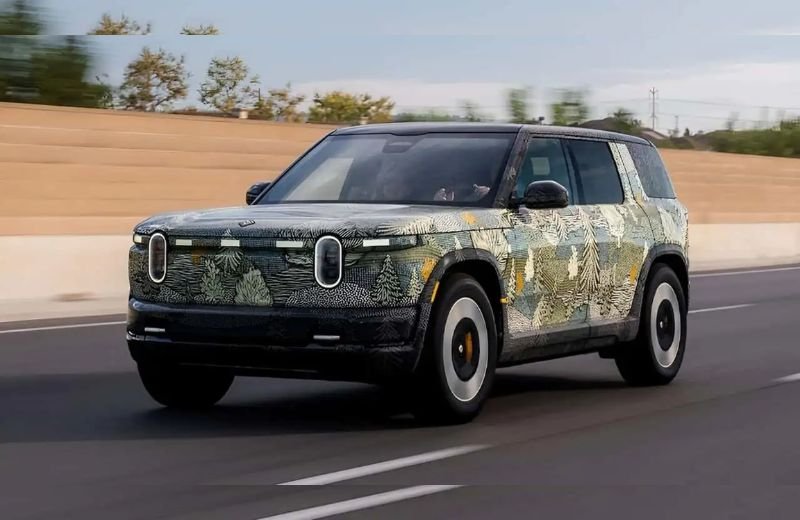
The smaller R2 crossover is seen as Rivian’s “Model Y moment.” The automaker expects to produce up to 155,000 units annually once fully scaled, with around 25,000 units projected in the first year of 2026. Analysts see this vehicle as crucial for Rivian to become a household name and justify its massive cash outlay.
While Rivian’s stock remains down 90% from its IPO highs, the company plans to scale without requiring additional external funding. Success with the R2 could validate years of heavy investment and position Rivian as a major player in the EV sector.
Also read Jeep and Ram’s Parent Company Got the EV Shift Wrong
The $24 billion burn illustrates the high stakes of building a large EV company from scratch. Rivian is betting that calculated early spending will pay off with strong R2 sales and long-term growth. Investors will closely watch the R2’s performance, as it could determine whether Rivian’s aggressive strategy was worth the risk.
Scaringe concluded, “We wouldn’t be building a business if we didn’t plan for it to make money. The R2 is the moment to show the value of that $24 billion investment.”