


 By
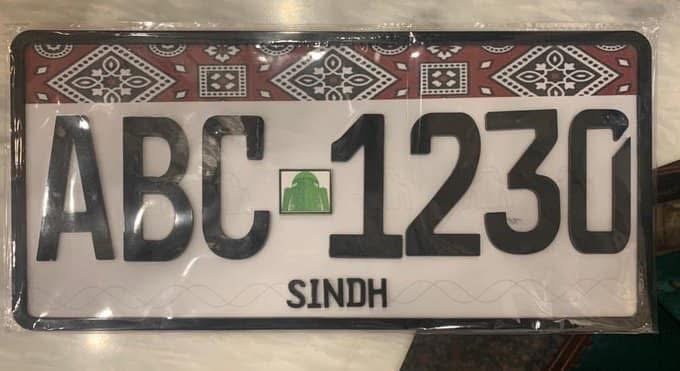
By The Sindh Excise and Taxation Department has rolled out a major overhaul of vehicle registration policies, introducing a structured pricing model for choice number plates while linking registration marks directly to owners’ CNICs. The move signals a significant modernization step in how vehicle numbers are managed and monetized in the province.
New Fee Structure for Choice Registration Numbers
Under the revised system, motorists seeking special or preferred registration numbers—often considered lucky, short, or memorable—will now pay fixed fees based on defined tiers:
- Rs20 lacs for highly sought-after numbers such as 786 and 110
- Rs10 lacs for other three-digit plates from 111–999
- Rs5 lacs for numbers between 100–900 and 001–009
- Rs3 lacs for other choice numbers outside premium tiers
Previously, the market for vanity or premium number plates often operated informally, with inconsistent pricing and limited transparency. The new structured model formalizes the process, ensures clarity for applicants, and directs substantial revenue into the provincial treasury.
CNIC-Linked Number Plates: A Major Policy Shift
One of the most transformative aspects of the reform is linking number plates to the owner’s CNIC instead of the vehicle. This means:
- Registration marks stay with the individual
- Owners can transfer their number plate to another vehicle they own
- Plates no longer remain permanently attached to a sold vehicle
This owner-based system aligns Sindh with international best practices, improving traceability, reducing misuse, and strengthening vehicle ownership records.
A Nationwide Trend Toward Premium Plate Monetization
Sindh’s move reflects a broader shift across Pakistan, where vehicle registration numbers are increasingly viewed as status symbols and revenue-generating assets. In Khyber Pakhtunkhwa (KP), premium number plates have generated massive sums through public auctions.
In a recent KP auction, the provincial government raised Rs470.3 million in a single day, with plates such as Dawar-1 selling for an astonishing Rs175 million. Several tribal and region-specific plates also attracted multimillion-rupee bids, underscoring the strong cultural and symbolic value attached to unique registration numbers.
What This Means for Motorists?
For vehicle owners in Sindh, the reforms bring greater transparency, flexibility, and long-term value. Those willing to pay premium fees can retain their preferred number across vehicles, while the government benefits from structured non-tax revenue.
As provinces continue to modernize vehicle registration systems, number plates in Pakistan are evolving from simple identifiers into civic assets and status markers—reshaping how motorists view and invest in their registration marks.
Disclaimer:
The information provided in this article is based on official announcements and publicly available details at the time of publication. Fee structures, policies, and implementation procedures may be subject to change by the relevant authorities. Motorists are advised to consult the Sindh Excise and Taxation Department or official government sources for the latest updates and confirmation.