


 By
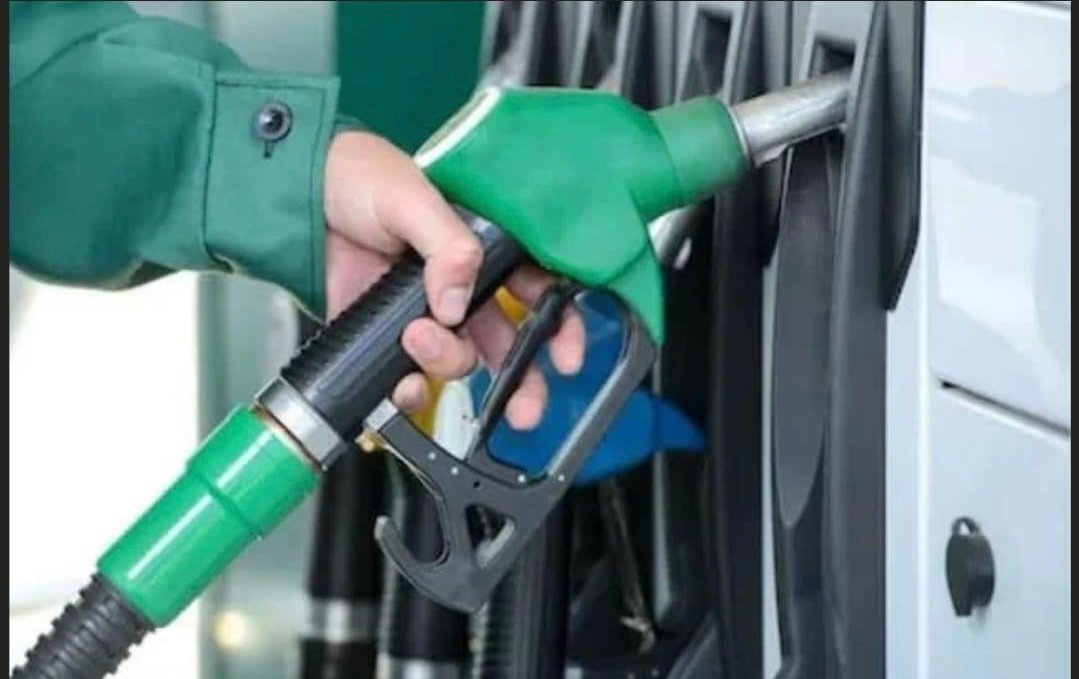
By The Government of Pakistan has officially announced a new increase in petroleum product prices for the upcoming fortnight starting February 16, 2026, adding further pressure on inflation-hit consumers. According to the notification, petrol prices have been raised by Rs 5.00 per litre, while diesel prices have increased by Rs 7.32 per litre.
The revision follows recommendations from the Oil and Gas Regulatory Authority (OGRA) and reflects ongoing adjustments in international oil market trends, as well as exchange rate dynamics.
Updated Fuel Prices in Pakistan
| Product | Previous Price (Rs/litre) | New Price (Rs/litre) | Increase |
|---|---|---|---|
| Diesel | 268.38 | 275.70 | +7.32 |
| Petrol | 253.17 | 258.17 | +5.00 |
Both major petroleum products have seen upward revisions, with diesel experiencing a sharper increase, raising concerns due to its widespread use in transportation, agriculture, and power generation.
Reasons Behind the Fuel Price Hike
The federal government cited rising global oil prices, volatility in international energy markets, and currency fluctuations as the primary reasons for the latest hike. Officials emphasized that aligning domestic fuel prices with global benchmarks is necessary to manage fiscal pressures and ensure continued fuel supply.
However, analysts warn that such increases inevitably translate into higher transportation costs, which then cascade into rising prices of essential goods and services, including food items and agricultural produce.
Economic and Public Impact
The fuel price increase is expected to further strain household budgets, especially for middle- and lower-income groups already grappling with high inflation. Business groups have expressed concern that higher diesel prices will push up logistics and manufacturing costs, while opposition parties have criticized the move and urged the government to introduce relief measures.
Economists suggest that without targeted subsidies or tax relief, repeated fuel hikes could slow economic activity and reduce consumer purchasing power in the coming months.
Outlook
With global oil prices remaining unpredictable, fuel prices in Pakistan may continue to fluctuate. Consumers and businesses alike are bracing for the ripple effects, while calls grow louder for long-term energy reforms and alternative fuel strategies to reduce dependence on imported petroleum.