


 By
By The Sindh government has approved the establishment of special traffic courts for e-challan cases, marking a major step toward strengthening digital traffic enforcement across the province. The decision was taken during a provincial cabinet meeting chaired by Chief Minister Murad Ali Shah and aims to streamline the growing number of electronically generated traffic violation cases.
Under the proposed framework, existing consumer courts in every district will be empowered to function as traffic courts. However, the initiative will be formally implemented only after consultation and approval from the Sindh High Court (SHC).
Fast-Track Resolution Without New Infrastructure
Chief Minister Murad Ali Shah emphasized that the move would allow the government to fast-track hearings without creating new judicial infrastructure.
“Empowering existing courts allows for specialized and fast-track trials of traffic violations without building new judicial infrastructure,” the Chief Minister stated following the cabinet meeting.
By utilizing already established consumer courts, the provincial government aims to ensure efficiency, cost-effectiveness, and quicker disposal of cases.
Rising Number of Digital Traffic Violations
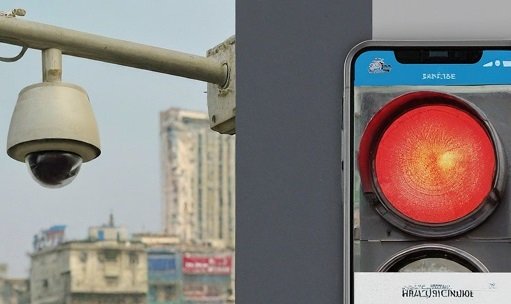
The decision comes amid a significant surge in camera-based traffic enforcement under Sindh’s Safe City and traffic monitoring projects. Thousands of digital traffic citations are reportedly issued every month, especially in Karachi and other major urban centers.
The Safe City initiative relies on:
- Automated Number Plate Recognition (ANPR) systems
- CCTV surveillance cameras
- Speed detection technology
- Monitoring of signal violations and lane discipline
With enforcement becoming increasingly automated, traditional civil and criminal courts have faced mounting pressure due to the volume of cases.
Addressing Legal Ambiguity and Public Concerns
Motorists and transport associations have previously expressed concerns about the enforceability of e-challans. Many argued that there was no dedicated judicial mechanism available to challenge or appeal fines issued through automated systems.
Several petitions related to e-challan legality and enforcement are currently pending before the Sindh High Court. By granting jurisdiction to consumer courts, the government aims to create a structured and legally sound dispute resolution mechanism for digital traffic violations.
Improving Compliance and Transparency
Officials believe that specialized traffic courts will:
- Reduce case backlogs
- Ensure due process for motorists
- Enhance transparency in traffic enforcement
- Improve public confidence in the e-challan system
If approved by the Sindh High Court, this initiative could become a model for other provinces that are expanding surveillance-based traffic enforcement systems.
As digital monitoring continues to grow, Sindh’s move toward special traffic courts represents a significant shift in adapting the judicial system to modern law enforcement technologies.
Disclaimer:
The establishment of special traffic courts for e-challan cases is subject to formal approval from the Sindh High Court. Implementation details may change based on judicial review and official notifications from the provincial government.