


 By
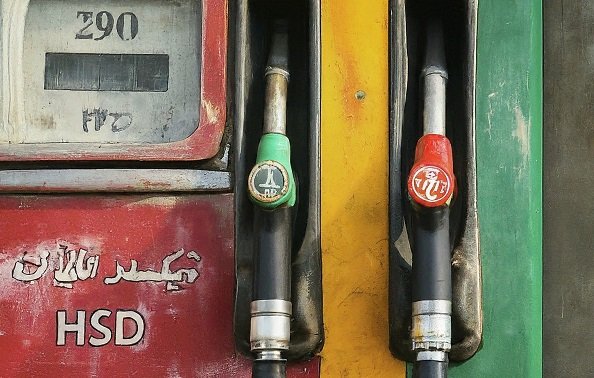
By The diesel price hike in Pakistan has sent shockwaves through the transport and logistics sector, triggering an immediate rise in freight charges across the country. The price of high-speed diesel (HSD) has been increased by Rs 11.30 per litre, taking the new rate to Rs 268.38, according to the latest notification issued by the Petroleum Division as part of its fortnightly fuel price adjustment.
In response to the surge, the Pakistan Goods Transport Alliance (PGTA) has announced a 4% increase in freight fares nationwide, citing unbearable operational costs and long-standing unresolved issues with the government. The decision is expected to impact supply chains, wholesale markets, and consumer prices, particularly for essential goods transported over long distances.
While diesel prices have jumped sharply, petrol prices have been kept unchanged at Rs 253.17 per litre, offering some relief to private vehicle owners. However, industry stakeholders argue that diesel remains the backbone of Pakistan’s commercial transport system, and any increase directly affects the cost of doing business.
PGTA President Malik Shehzad Awan strongly criticized the hike, calling it “unacceptable” and warning that transporters may resort to a nationwide strike if previously agreed commitments are not honored by the authorities. He emphasized that transporters are already operating under intense financial pressure due to inflation, high maintenance costs, and rising spare parts prices.
Transporters across Pakistan have stated that absorbing the additional diesel cost is no longer feasible. According to industry representatives, fuel accounts for a major share of freight expenses, and repeated price hikes have eroded profit margins. With earlier demands still pending, they argue that raising freight fares has become unavoidable to sustain operations.
The diesel price hike is primarily attributed to rising global oil prices, which continue to influence domestic fuel rates. Analysts warn that the increase in freight charges may soon translate into higher prices for food items, construction materials, and other essential commodities, adding to inflationary pressures already faced by consumers.
As tensions grow between transporters and the government, all eyes are now on whether negotiations can prevent disruptions to the country’s supply chain in the coming weeks.