

 By
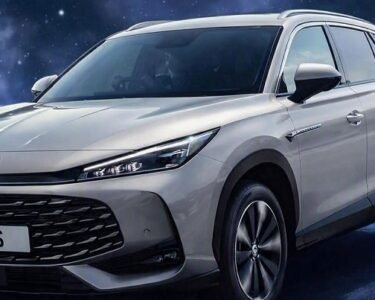
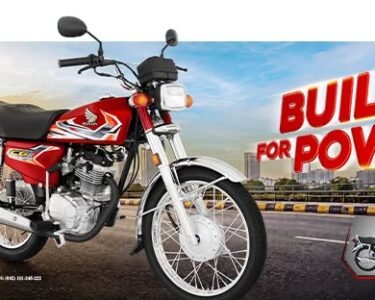
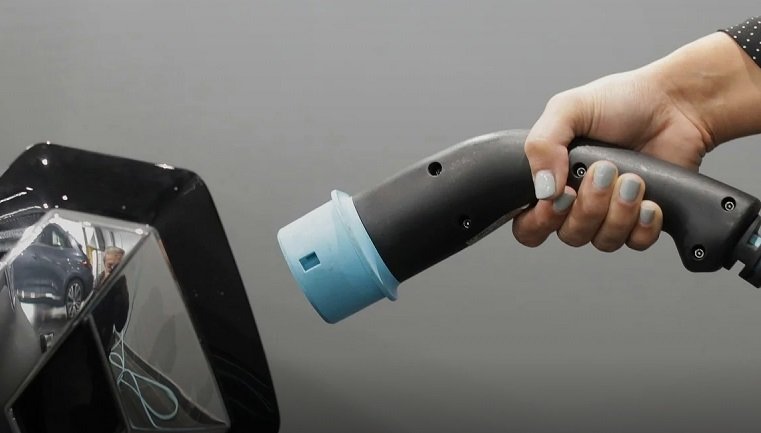
By The International Monetary Fund (IMF) has urged Pakistan to withdraw sales tax exemptions on locally manufactured hybrid and electric vehicles (EVs) and bikes, signaling a major potential shift in the country’s automotive and green transport policy. According to sources familiar with the discussions, the IMF has recommended that these vehicles be brought under the standard 18 percent sales tax regime starting from the next fiscal year.
Currently, locally produced hybrid and electric vehicles enjoy preferential tax treatment under the Eighth Schedule of Pakistan’s sales tax framework. This exemption was introduced to promote cleaner, energy-efficient transportation and reduce reliance on imported fuel. However, official documents indicate that the existing exemption is scheduled to expire on June 30, 2026, and the IMF is now pushing for an earlier and more comprehensive withdrawal of these concessions.
Under the existing tax structure, locally manufactured hybrid electric vehicles up to 1800cc are subject to an 8.5 percent sales tax, while those with engine capacities between 1801cc and 2500cc face a 12.75 percent tax rate. Electric bikes and certain locally assembled eco-friendly vehicles also benefit from reduced or zero sales tax under special provisions.
During recent negotiations with the Ministry of Industries and Production, the IMF reportedly insisted that hybrid and electric vehicles and bikes be removed from the Eighth Schedule and included in the normal tax regime. If this recommendation is accepted, all such vehicles would be taxed at the standard 18 percent sales tax rate, eliminating the preferential treatment currently enjoyed by local manufacturers.
Industry experts warn that the proposed change could have significant implications for Pakistan’s local hybrid and EV industry, which has relied heavily on tax incentives to remain competitive and affordable. Higher taxes may lead to increased vehicle prices, potentially slowing adoption of environmentally friendly transport solutions at a time when Pakistan is seeking to reduce carbon emissions and fuel imports.
On the other hand, fiscal analysts argue that the move aligns with the IMF’s broader goal of broadening the tax base, reducing exemptions, and strengthening government revenues. The final decision will depend on whether Pakistan’s authorities accept the IMF’s recommendation as part of ongoing economic and fiscal reforms.
If implemented, the proposal would mark a major shift in the sales tax on hybrid and electric vehicles in Pakistan, reshaping the future of the country’s green mobility sector.