

 By
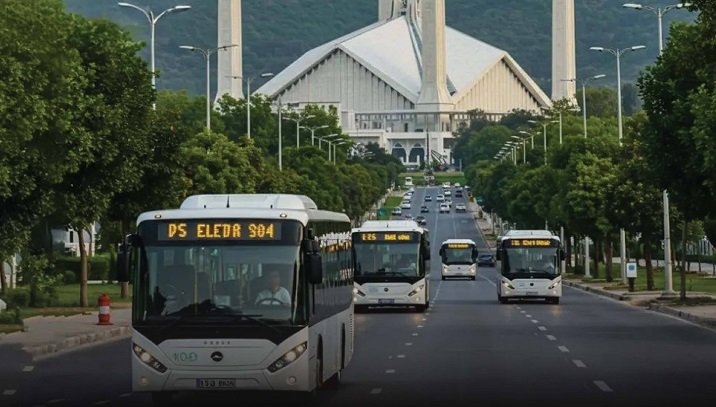
By In a major step toward combating air pollution and smog, the Pakistan Environmental Protection Agency (Pak-EPA) has launched a Comprehensive Action Plan for Vehicular Emission Control in the Islamabad Capital Territory (ICT). The initiative, developed under the Ministry of Climate Change in collaboration with the Islamabad Capital Territory Administration, Islamabad Transport Authority, and Islamabad Traffic Police, aims to modernize the capital’s transport system and improve urban air quality through a mix of enforcement, innovation, and awareness.
According to ministry spokesperson Muhammad Saleem Shaikh, vehicular emissions are now the second-largest contributor to air pollution in Islamabad after industrial emissions. He highlighted that pollutants such as carbon monoxide, nitrogen oxides, hydrocarbons, and particulate matter (PM2.5) are responsible for respiratory and cardiovascular diseases. “This ambitious plan gives Islamabad a clear roadmap toward cleaner and healthier air,” Shaikh said. “It moves beyond short-term fixes and focuses on sustainable long-term reforms.”
Phase One: Enforcement and Compliance
In the first phase, Pak-EPA and the Islamabad Traffic Police will conduct regular and surprise roadside inspections to enforce the National Environmental Quality Standards (NEQS).
Key measures include:
- Mandatory emission compliance certificates linked to vehicle registration and ownership transfer.
- Special checks on diesel vehicles such as buses, trucks, and water tankers.
- Verification of catalytic converters in petrol-run cars.
- A complete ban on open trash and solid waste burning, with fines imposed under the Pakistan Environmental Protection Act.
Phase Two: Transition to Cleaner Mobility
The second phase focuses on cleaner fuels and electric vehicle (EV) adoption. A Comprehensive EV Promotion Programme will be launched, including:
- Installation of EV charging stations across Islamabad.
- A 10% EV quota for all government fleets.
- Tax incentives and dedicated EV lanes to promote electric mobility.
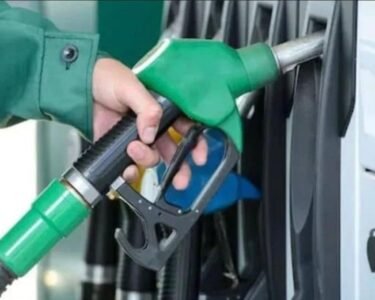
The plan also mandates fuel quality upgrades, with Euro-5 standard fuels at all fuel stations by 2027 and Euro-6 by 2030, aligning Pakistan with global clean fuel standards.
Vehicle Retirement and Recycling Policy
To reduce emissions from aging vehicles, a Vehicle Retirement Policy will phase out high-emission cars older than 10–15 years. Owners will receive financial incentives through a scrappage scheme, while vehicles over five years old must pass mandatory fitness tests. Environmentally safe vehicle scrapping facilities will also be established for proper recycling and disposal.
A Model for Sustainable Urban Living
Shaikh emphasized that the success of the plan depends on coordinated efforts between government bodies and citizens. “If implemented effectively, Islamabad will become Pakistan’s first city to align its transport emission policies with modern global standards,” he said.
This comprehensive action plan not only aims to reduce pollution levels but also positions Islamabad as a model city for sustainable urban mobility, setting a precedent for other major cities across Pakistan to follow.