


 By
By The Islamic Development Bank (IsDB) has approved a $475 million financing package for the M-6 Sukkur-Hyderabad Motorway, marking a major breakthrough for one of Pakistan’s most critical yet long-delayed infrastructure projects. The motorway, once completed, will form a key section of the north-south corridor, improving connectivity, reducing travel time, and enhancing trade flow across the country.
Project Details and Design
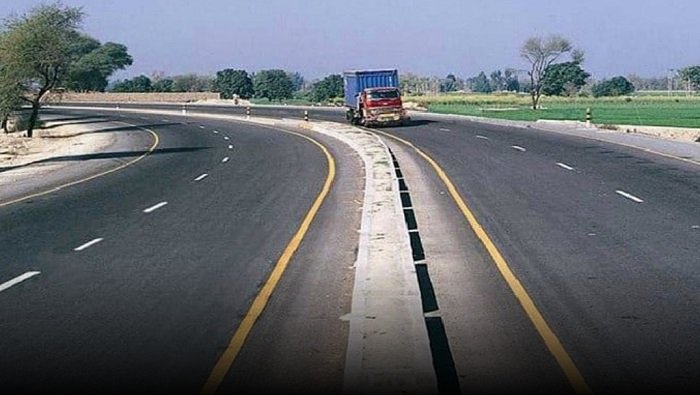
The 306-kilometre six-lane motorway is designed to accommodate speeds of up to 120 km/h. According to official details, it will include:
- 89 bridges
- 15 interchanges
- 243 underpasses
Construction is scheduled to commence in April 2026, while the Sindh government has already initiated the land acquisition process. Chief Minister Murad Ali Shah has instructed provincial authorities to expedite the transfer of both public and private land, much of which has previously been delayed due to legal disputes.
Linkages with M-10 and Karachi Port
In parallel, the M-10 motorway is undergoing upgrades and extensions to connect with the M-6 at Jamshoro. This linkage is expected to provide a high-capacity transport route for cargo traffic from Karachi Port, significantly easing logistics challenges and strengthening Pakistan’s supply chain network.
Rising Costs and Funding Challenges
The project was initially estimated at $617 million in 2018, but multiple delays and inflationary pressures have pushed the cost to $1.7 billion. To bridge the funding gap, Pakistan is also seeking support from institutions such as the Saudi Fund for Development (SFD) and the Asian Development Bank (ADB).
National Impact
The M-6 motorway will play a transformative role in completing Pakistan’s north-south corridor by connecting Hyderabad to Sukkur. Once operational, it will reduce travel times, promote inter-city trade, and improve regional accessibility, while also serving as a catalyst for economic development in Sindh and beyond.