

 By
By The government has announced a major policy shift in the auto sector, declaring that accidental and low-quality used cars will no longer be allowed into Pakistan. Starting next month, a 40% tariff will be imposed on commercial imports of used vehicles. Officials say the move is designed to safeguard the local auto industry, but consumers are unlikely to see immediate relief in car prices.
Currently, buyers already face high costs, as local assemblers cite government taxation between 30% and 61% of the retail price as a key reason vehicles remain expensive in Pakistan.
IMF Commitments and Import Liberalisation
The policy was announced during a joint meeting of the Senate Standing Committees on Finance and Industry. Joint Secretary for Trade Policy Mohammad Ashfaq explained that under Pakistan’s commitments with the International Monetary Fund (IMF), the government must gradually open the auto sector to imports.
Key points of the new framework include:
- 40% tariff protection to be applied on used car imports, making their prices close to new vehicles.
- Commercial imports of used cars up to five years old will be allowed from September.
- Age and quality restrictions will be fully lifted by July next year.
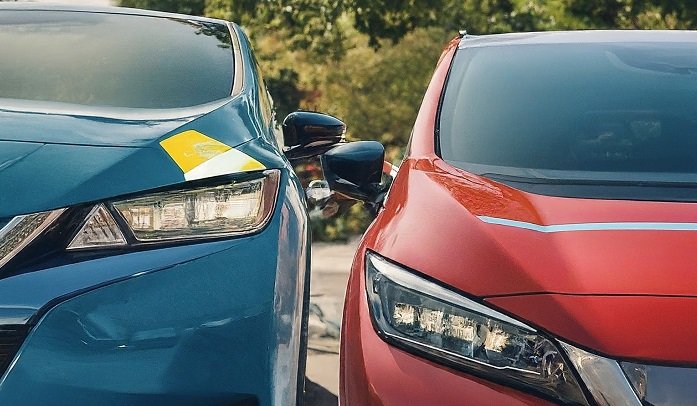
At present, commercial imports remain banned, with around 25% of market demand met through alternative schemes such as transfer of residence, baggage, and gift allowances. Vehicles brought under these categories often include mildly accidental cars but remain popular due to their affordability compared to locally assembled models.
Impact on Consumers and Industry
While the new policy aims to protect domestic car manufacturers, consumers will not immediately benefit from lower car prices. Instead, the 40% tariff will keep imported used vehicles relatively expensive. However, the gradual liberalisation of imports under IMF commitments could reshape Pakistan’s auto market in the coming years, increasing competition and potentially improving quality standards.
This policy marks the beginning of a new phase for Pakistan’s auto sector, balancing the protection of local industry with the need for greater consumer choice.