


 By
By The Sindh government has taken a major step towards digital transformation in the transport sector by officially approving the launch of a CNIC-based vehicle registration system. The reform, inspired by the successful implementation of a similar initiative in Islamabad, aims to simplify vehicle ownership processes, minimize fraud, and improve service efficiency.
The decision was finalized during a high-level cabinet meeting at the Chief Minister House, chaired by CM Syed Murad Ali Shah. Attendees included provincial ministers, advisors, special assistants, the chief secretary, and senior officials from the Excise and Taxation Department.
How the New System Works
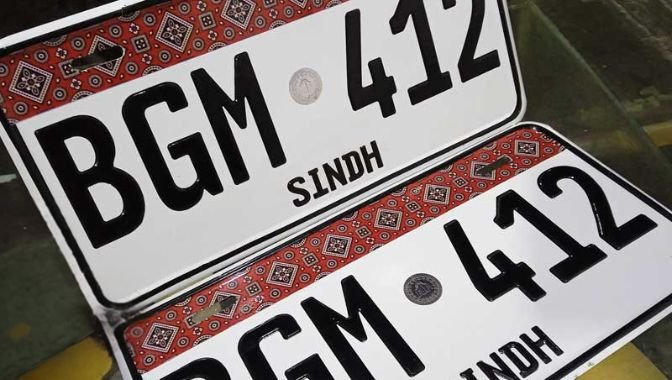
Under the updated system, vehicle registration will be directly linked to the owner’s Computerized National Identity Card (CNIC) rather than the vehicle’s chassis number. This means that owners will be able to retain and reuse their personalized number plates even after selling their cars.
While the Vehicle Identification Number (VIN) will still be based on the chassis number to maintain a unique identity for each vehicle, the number plates will belong to the owner. When selling a vehicle, owners can either transfer the plate to their new car or return it for re-issuance or auction.
Additional Reforms for Safety and Transparency
The Sindh cabinet also approved the creation of Vehicle Fitness Inspection Centers across the province to ensure road safety and compliance with technical standards. Furthermore, new Standard Operating Procedures (SOPs) will govern the registration of confiscated or seized government vehicles with altered or tampered chassis numbers, introducing much-needed transparency into the process.
Aligning with International Standards
By introducing the CNIC-based vehicle registration system, Sindh is aligning its policies with international best practices and modern reforms already in place in other parts of Pakistan. This digital upgrade is expected to streamline ownership transfers, reduce fraudulent activities, and make registration services more user-friendly for the public.