

 By
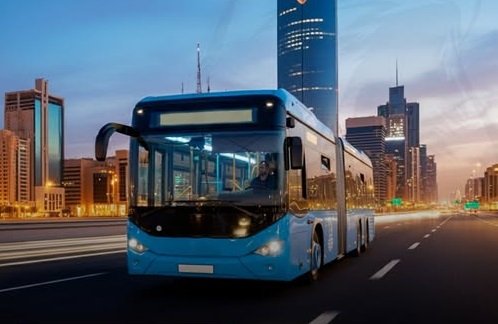
By Saudi Arabia has taken a significant step in advancing environmentally friendly transportation by launching its first hydrogen-powered bus. This milestone reflects the Kingdom’s commitment to reducing carbon emissions and integrating innovative technologies into its public transportation network.
Official Launch in Al Ahsa
The bus’s inaugural test run was officially launched by Al Ahsa Governor Saud bin Talal. It will operate on a route connecting the eastern city of Dammam to the Al Ahsa Governorate, covering an impressive 359 kilometers daily. With a seating capacity of 45 passengers, the bus aims to provide a sustainable and efficient solution for public commuting.
Part of a Broader Sustainability Plan
This initiative is part of ongoing trials conducted by the Saudi Transport General Authority (TGA) to develop sustainable transport solutions. The hydrogen-powered bus represents a significant effort to:
- Protect the Environment: By utilizing hydrogen fuel, the bus produces only water vapor as emissions, contributing to improved air quality and reduced greenhouse gases.
- Enhance Quality of Life: The project underscores the Kingdom’s focus on creating a greener, healthier urban environment.
- Adopt Innovative Technologies: Hydrogen fuel cells provide a long-range, high-efficiency alternative to fossil fuels, aligning with global trends in sustainable transportation.
Aligning with National Strategy
TGA head Rumaih Al Rumaih emphasized that this initiative is a key component of Saudi Arabia’s national strategy to reduce carbon emissions and transition to renewable energy sources. It aligns with the Kingdom’s Vision 2030 goals, which prioritize environmental sustainability and innovation across various sectors.
Hydrogen-Powered Transport: The Future
Hydrogen fuel cell technology is gaining traction worldwide as a cleaner alternative to traditional fossil fuels. Some of the advantages include:
- Zero Emissions: Hydrogen-powered vehicles emit only water vapor, making them environmentally friendly.
- High Energy Efficiency: Hydrogen fuel cells are more energy-efficient than internal combustion engines, offering longer ranges and shorter refueling times.
- Scalability: Hydrogen can be produced locally, reducing dependency on imported fuels and supporting energy independence.
Implications for Saudi Arabia
The launch of the hydrogen-powered bus signals Saudi Arabia’s determination to lead in sustainable mobility innovation. It complements other green initiatives in the Kingdom, such as investments in solar and wind energy and the construction of NEOM, the futuristic city powered by renewable energy.
The introduction of hydrogen-powered buses is not just a technological advancement; it represents a vision for a cleaner, more sustainable future. As Saudi Arabia continues to expand its eco-friendly transport options, it sets an example for the region and the world, proving that ambitious goals for sustainability and innovation can drive meaningful change.