


 By
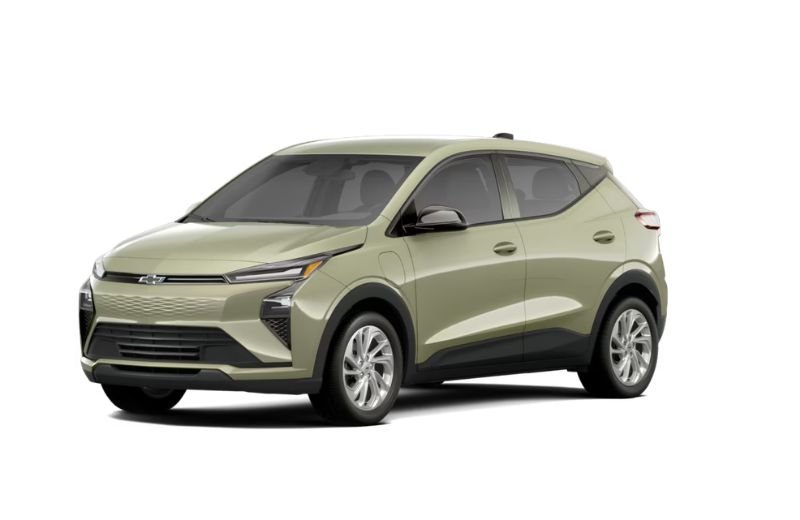
By The 2027 Chevy Bolt EV is arriving with major improvements, especially when it comes to charging performance. Early testing shows that the new electric hatchback charges significantly faster than the previous generation, highlighting General Motors’ efforts to improve its entry level electric vehicle.
The earlier Chevrolet Bolt EV received criticism for its slow fast charging capability. The older model supported a maximum charging rate of about 55 kilowatts, which limited its usefulness on long trips. The updated 2027 model addresses this issue with a major increase in charging power.
The new Bolt EV supports DC fast charging speeds of up to 150 kilowatts. This improvement allows the vehicle to recharge much faster at compatible charging stations.
Charging Test Shows Major Improvement
A recent charging test performed by the Out of Spec Testing YouTube channel provides a closer look at the Bolt EV’s real world performance. During the test, the vehicle started charging at a Tesla Supercharger using a NACS connector with the battery at 10 percent.
The battery had already been preconditioned before the session began, and the outside temperature was around 75 degrees Fahrenheit. These conditions helped create an ideal environment for fast charging.
The Bolt EV quickly reached its peak charging speed. Within less than a minute of plugging in, the car climbed to around 151 kilowatts. Two minutes later, the charging rate increased slightly to about 156 kilowatts while the battery reached 18 percent.
The vehicle maintained charging speeds above 150 kilowatts until the battery reached around 40 percent. After that point, the power gradually tapered as the battery filled.
Charging power dropped to around 140 kilowatts at 45 percent and continued declining gradually as expected. Even at 60 percent battery level, the car still pulled around 100 kilowatts.
By the time the battery reached 80 percent charge, the system continued delivering about 80 kilowatts. The entire 10 to 80 percent charging session took approximately 26 minutes.
During that time, the car added an estimated 191 miles of driving range.
Entry Level EV With Competitive Charging
The improved charging capability represents a major step forward for the Bolt EV lineup. The new model uses a 65 kilowatt hour lithium iron phosphate battery pack, which replaces the nickel rich battery used in the earlier version.
The updated battery technology supports faster charging while also helping keep the vehicle affordable. The 2027 Bolt EV delivers an EPA estimated driving range of about 262 miles on a full charge.
Pricing also remains competitive. The new Bolt EV starts at about $28,995 including destination charges, making it one of the most affordable electric vehicles currently available in the United States.
Also read 1965 Ford Mustang Converted to an EV Using Tesla Parts
Despite the improvements, General Motors has indicated that the model may have a relatively short production run. Reports suggest the Bolt EV will remain in production for roughly 18 months at GM’s Kansas factory before the plant shifts to building other vehicles.
Even with that limited timeline, the new Bolt EV demonstrates how smaller and more affordable electric cars can still deliver solid range and fast charging performance for everyday drivers.